Children Educational and Interactive Games
YPad
Digital Learning Tools
STEM Activities
Early Childhood Development
Fostering Imagination and Creativity: The Importance of Role-Playing and Imaginative Play for Children in Uzbekistan
Category : ypad | Sub Category : ypad Posted on 2023-10-30 21:24:53
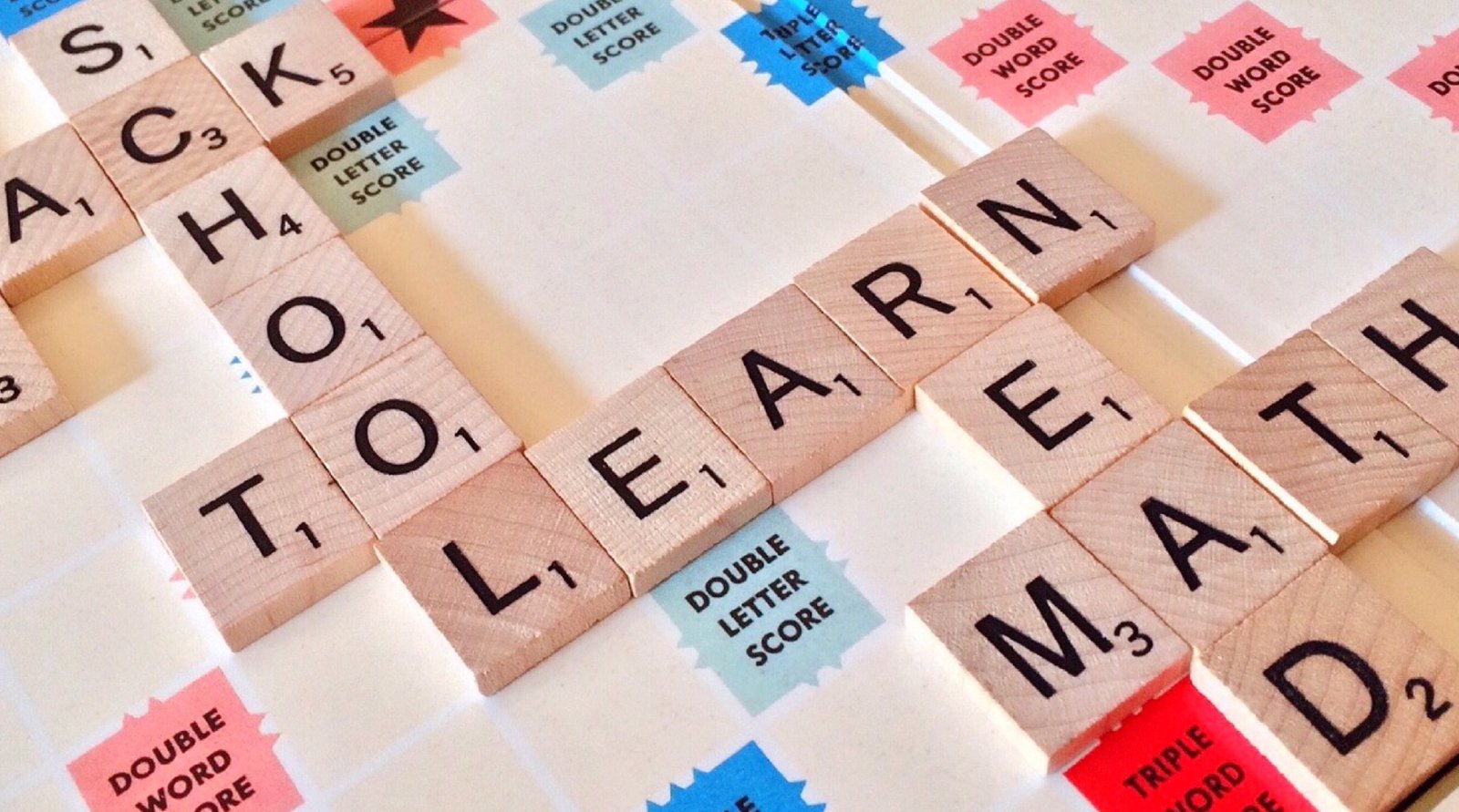
Introduction: As parents and educators, we all want the best for our children. We want them to grow up to be happy, confident, and well-rounded individuals. One powerful tool that can help in their development is role-playing and imaginative play. In this blog post, we will explore the significance of role-playing and imaginative play in the lives of children in Uzbekistan and how we can encourage and support their growth in these areas. 1. Role-playing as a Form of Learning: Role-playing allows children to step into different roles and experiences, expanding their understanding of the world around them. Through role-playing, children can develop important skills such as problem-solving, empathy, communication, and cooperation. Whether it's pretending to be a doctor, a teacher, or a superhero, role-playing gives children the opportunity to explore different scenarios and develop critical thinking skills. In Uzbekistan, role-playing is an integral part of traditional cultural events and celebrations. Children often dress up in traditional costumes, reenact historical events, and portray important figures from Uzbekistan's rich cultural heritage. This not only allows children to connect with their roots but also enhances their understanding of their own culture and history. 2. Imagination as a Gateway to Creativity: Imaginative play goes hand in hand with role-playing. When children engage in imaginative play, they create their own scenarios, worlds, and characters. This kind of unstructured play allows children to exercise their creativity and imagination, which are essential for problem-solving, self-expression, and innovation. In Uzbekistan, traditional games like "Chapanyon" and "Qumkhum" encourage imaginative play. Children come together, often in open spaces, to create their own games, stories, and rules. This fosters creative thinking, helps develop social skills, and builds resilience and adaptability. 3. The Benefits of Role-Playing and Imaginative Play: a. Cognitive Development: Role-playing and imaginative play improve cognitive skills such as memory, attention span, and logical thinking. Children learn to plan, organize, and sequence events, which enhances their cognitive abilities. b. Emotional Development: Engaging in role-playing allows children to explore and express their emotions in a safe and controlled environment. They can experiment with different feelings and develop emotional intelligence. c. Social Development: Role-playing and imaginative play often involve interactions with peers, promoting social skills such as sharing, turn-taking, and conflict resolution. Children learn to collaborate and work together towards a common goal. d. Language Development: Role-playing encourages children to use their imagination to create dialogue and verbal interactions. This helps improve language skills, vocabulary, and communication abilities. 4. Ways to Encourage Role-Playing and Imaginative Play: a. Provide open-ended toys and props that encourage creativity and imagination, such as building blocks, dolls, costumes, and art supplies. b. Create dedicated spaces within homes, schools, and communities where children can engage in role-playing and imaginative play freely. c. Encourage storytelling and reading; these activities help ignite a child's imagination and serve as inspiration for their play. d. Participate in cultural events and celebrations that involve role-playing, such as traditional Uzbek dances, theater performances, or historical reenactments. Conclusion: Role-playing and imaginative play play a crucial role in the development of children in Uzbekistan. By fostering their imagination, creativity, cognitive skills, emotional intelligence, and social interaction abilities, we enable our children to become confident, adaptable, and well-rounded individuals. Let us encourage and support the importance of role-playing and imaginative play in our children's lives, providing them with the tools they need to thrive in an ever-changing world.
Leave a Comment:
SEARCH
Recent News
- Robot Toys: Vancouver's Top Startups
- Robotic toys have become increasingly popular over the years, captivating both children and adults with their advanced features and interactive capabilities. With Vancouver being a hub for innovation and technology, it comes as no surprise that the city has established itself as a key player in the export and import of robot toys.
- Robot Toys: Exploring Vancouver's Best Companies
- Robots have become increasingly popular in recent years, not just as tools for industry and technology, but also as fun and educational toys for children. Robot toys offer a unique way for kids to engage with technology and learn about robotics and programming in a hands-on manner. In the UK, the government offers various business support programs to help companies that are involved in the production and distribution of robot toys.
- When it comes to exporting and importing robot toys in the UK, there are rules and regulations that need to be followed to ensure a smooth and compliant process. Robot toys have gained popularity in recent years due to advancements in technology, making them more interactive and engaging for children and adults alike. If you are a manufacturer, distributor, or retailer looking to export or import robot toys in the UK, it's important to be aware of the rules that govern this industry.
- The town of Tataouine in Tunisia has recently seen a rise in popularity of robot toys among children. These interactive toys have become a favorite among parents and kids alike for their fun features and entertainment value.
- Robotic toys have been capturing the attention of both children and adults in recent years, with their advanced features and interactive capabilities. As technology continues to evolve, the world of robot toys is also seeing some exciting trends that are shaping the industry. Let's take a closer look at some of the emerging trends in robot toys.
- Robots have long captured the imagination of children and adults alike with their futuristic and interactive capabilities. When it comes to robot toys, there are some top Irish companies that excel in creating innovative and engaging products for all ages.
READ MORE
10 months ago Category : ypad

Robot Toys: Vancouver's Top Startups
Read More →10 months ago Category : ypad

Robotic toys have become increasingly popular over the years, captivating both children and adults with their advanced features and interactive capabilities. With Vancouver being a hub for innovation and technology, it comes as no surprise that the city has established itself as a key player in the export and import of robot toys.
Read More →10 months ago Category : ypad

Robot Toys: Exploring Vancouver's Best Companies
Read More →10 months ago Category : ypad
