Children Educational and Interactive Games
YPad
Digital Learning Tools
STEM Activities
Early Childhood Development
Fun and Engaging Games for Children with Special Needs: Tips and Tricks
Category : ypad | Sub Category : ypad Posted on 2023-10-30 21:24:53
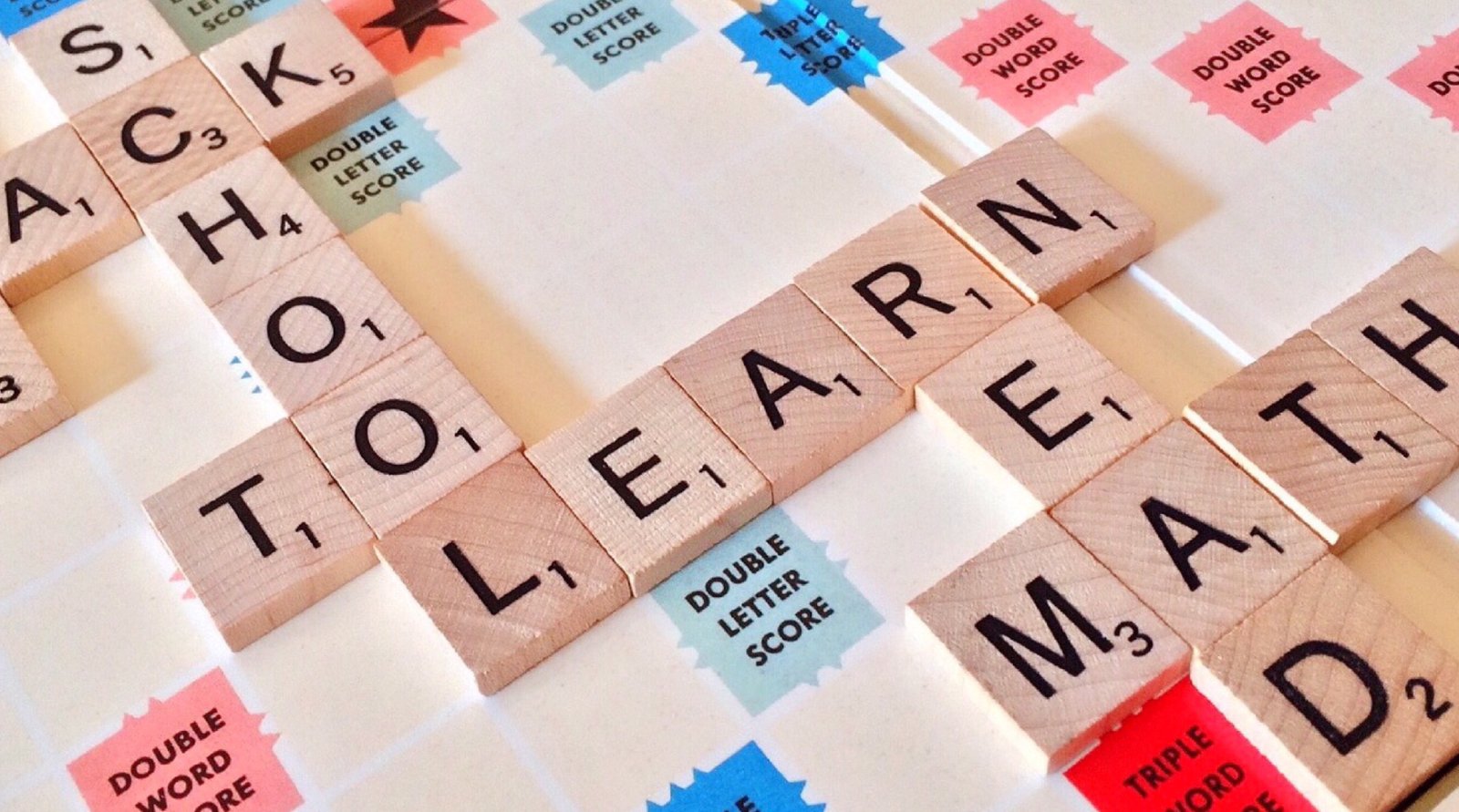
Introduction: When it comes to the development and well-being of children with special needs, engaging them in enjoyable and interactive activities can play a crucial role. Games not only provide entertainment but also offer an opportunity for learning and social interaction. In this blog post, we will explore some top tips and tricks for choosing and playing games specifically designed for children with special needs. 1. Consider the child's abilities: When selecting games for children with special needs, it is essential to consider their individual abilities and interests. Make sure the game you choose is age-appropriate and suitable for their cognitive, physical, and sensory needs. Consider games that promote skills they are working on, such as fine motor skills, communication, or social interaction. 2. Adapt the rules and materials: Flexibility is key when playing games with special needs children. Sometimes, games may need to be modified to meet their specific needs. For instance, use larger dice or cards with bigger fonts for children with visual impairments. Simplify the rules or break down the steps if necessary. Use visuals or alternative communication methods, such as pictures or sign language, to aid understanding. 3. Focus on sensory experiences: Many children with special needs benefit from sensory experiences. Incorporating sensory elements into games can make them more enjoyable and engaging. For example, using textured objects or playing calming music can help children with sensory processing disorders. Keep in mind each child's sensitivities and preferences and adjust the sensory experiences accordingly. 4. Promote social interaction and communication: Games serve as a great platform for fostering social skills and communication in children with special needs. Look for multiplayer games that encourage turn-taking, sharing, and cooperation. Make sure there is ample opportunity for meaningful social interaction among players. Encourage communication by providing visual supports, such as communication boards, or using social stories to help children understand game rules and expectations. 5. Choose inclusive games: When selecting games for special needs children, opt for those that promote inclusivity and can be enjoyed by children of all abilities. Inclusive games consider the diverse needs and abilities of players, ensuring a positive experience for everyone involved. Look for games that can be easily adapted for all ability levels or games specifically designed for inclusive play. 6. Celebrate individual achievements: While friendly competition can be motivating, it is crucial to celebrate each child's achievements and efforts during gameplay regardless of the outcome. Acknowledge their progress, collaboration, and any milestones they may have reached while playing. This positive reinforcement encourages self-confidence, self-esteem, and a passion for learning and playing games. Conclusion: Engaging children with special needs in games promotes their social, cognitive, and motor development while providing ample opportunities for fun and enjoyment. By considering the child's abilities, adapting the rules and materials, incorporating sensory experiences, and nurturing social interactions, we can create a positive and inclusive gaming environment. Remember, the ultimate goal is to provide children with special needs an enriching and enjoyable experience that caters to their unique needs and abilities. So, gather your games, adapt as needed, and let the fun-filled learning begin!
Leave a Comment:
SEARCH
Recent News
- Robot Toys: Vancouver's Top Startups
- Robotic toys have become increasingly popular over the years, captivating both children and adults with their advanced features and interactive capabilities. With Vancouver being a hub for innovation and technology, it comes as no surprise that the city has established itself as a key player in the export and import of robot toys.
- Robot Toys: Exploring Vancouver's Best Companies
- Robots have become increasingly popular in recent years, not just as tools for industry and technology, but also as fun and educational toys for children. Robot toys offer a unique way for kids to engage with technology and learn about robotics and programming in a hands-on manner. In the UK, the government offers various business support programs to help companies that are involved in the production and distribution of robot toys.
- When it comes to exporting and importing robot toys in the UK, there are rules and regulations that need to be followed to ensure a smooth and compliant process. Robot toys have gained popularity in recent years due to advancements in technology, making them more interactive and engaging for children and adults alike. If you are a manufacturer, distributor, or retailer looking to export or import robot toys in the UK, it's important to be aware of the rules that govern this industry.
- The town of Tataouine in Tunisia has recently seen a rise in popularity of robot toys among children. These interactive toys have become a favorite among parents and kids alike for their fun features and entertainment value.
- Robotic toys have been capturing the attention of both children and adults in recent years, with their advanced features and interactive capabilities. As technology continues to evolve, the world of robot toys is also seeing some exciting trends that are shaping the industry. Let's take a closer look at some of the emerging trends in robot toys.
- Robots have long captured the imagination of children and adults alike with their futuristic and interactive capabilities. When it comes to robot toys, there are some top Irish companies that excel in creating innovative and engaging products for all ages.
READ MORE
10 months ago Category : ypad

Robot Toys: Vancouver's Top Startups
Read More →10 months ago Category : ypad

Robotic toys have become increasingly popular over the years, captivating both children and adults with their advanced features and interactive capabilities. With Vancouver being a hub for innovation and technology, it comes as no surprise that the city has established itself as a key player in the export and import of robot toys.
Read More →10 months ago Category : ypad

Robot Toys: Exploring Vancouver's Best Companies
Read More →10 months ago Category : ypad
