Children Educational and Interactive Games
YPad
Digital Learning Tools
STEM Activities
Early Childhood Development
Protecting Your Kids Online: How to Avoid Scam Online Kid-Friendly Games
Category : ypad | Sub Category : ypad Posted on 2023-10-30 21:24:53
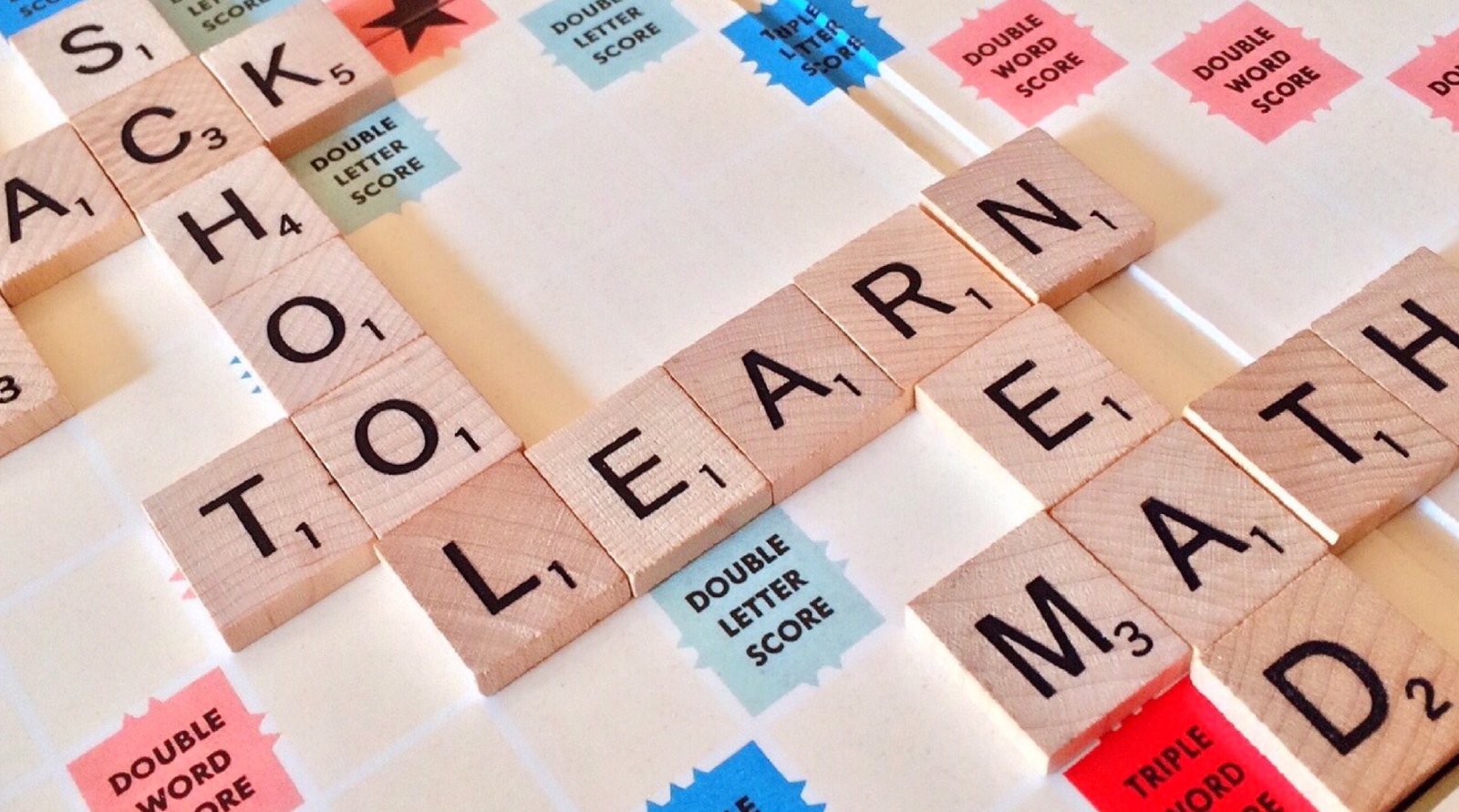
Introduction: In today's digitally-driven world, children are increasingly drawn to online games for entertainment and educational purposes. Parents often rely on kid-friendly games to keep their children engaged and safe while navigating the vast online landscape. However, the unfortunate reality is that scam online kid-friendly games exist, posing potential threats to our children's safety and security. This blog post aims to shed light on this issue and provide parents with practical tips to steer clear of such scams and protect their little ones. Understanding the Risks: While the internet offers numerous opportunities for learning and fun through online games, it also harbors potential dangers. Scammers attempt to exploit children's innocence and curiosity by creating seemingly harmless gaming platforms that can ultimately lead to malicious activities, such as identity theft, inappropriate content exposure, or even financial fraud. As parents, it's crucial to be vigilant and equip ourselves with knowledge to prevent our kids from falling victim to these scams. 1. Research, Review, and Recommendations: Before allowing your child to access any online game, take the time to research and review it extensively. Look for reliable sources of information such as trusted review websites or parenting blogs that specialize in online entertainment for kids. Hearing from other parents about their experiences with the game can provide valuable insights into whether it is safe or potentially harmful. 2. Verify the Developer: Legitimate online kid-friendly games are developed by reputable companies dedicated to creating a safe and enjoyable experience for children. Check the developer's website, search for reviews about their previous games, and ensure they have a history of producing secure content. If you have any doubts, it's best to avoid the game altogether. 3. Parental Controls and Settings: Many devices and platforms offer robust parental control features that allow you to filter content, restrict access to certain websites, or monitor your child's online activities. Familiarize yourself with these settings and make sure to enable them before your child starts playing any online game. This way, you can customize the gaming experience to suit your child's age and maturity level. 4. Keep Communication Lines Open: Encourage open dialogue with your child about their online experiences. Teach them about potential dangers that may arise while playing games online, such as sharing personal information or interacting with strangers. Remind them that they can always come to you if they encounter anything suspicious or uncomfortable. 5. Regularly Monitor and Supervise: Even with parental controls in place, it's essential to actively monitor your child's online activity and occasionally join them while they play. By doing so, you can ensure they are navigating the game safely and identify any red flags that may indicate a scam or inappropriate behavior. Conclusion: As technology continues to shape the way our children play and learn, it's crucial for parents to be well-informed and proactive in protecting them from scams online, especially in the realm of kid-friendly games. By conducting thorough research, verifying developers, utilizing parental controls, fostering open communication, and actively monitoring their online activities, we can create a safer environment for our children to enjoy the benefits of online gaming without falling victim to scams. Stay vigilant, and together, we can protect our little ones from potential harm. To expand your knowledge, I recommend: http://www.semifake.com
Leave a Comment:
SEARCH
Recent News
- Robot Toys: Vancouver's Top Startups
- Robotic toys have become increasingly popular over the years, captivating both children and adults with their advanced features and interactive capabilities. With Vancouver being a hub for innovation and technology, it comes as no surprise that the city has established itself as a key player in the export and import of robot toys.
- Robot Toys: Exploring Vancouver's Best Companies
- Robots have become increasingly popular in recent years, not just as tools for industry and technology, but also as fun and educational toys for children. Robot toys offer a unique way for kids to engage with technology and learn about robotics and programming in a hands-on manner. In the UK, the government offers various business support programs to help companies that are involved in the production and distribution of robot toys.
- When it comes to exporting and importing robot toys in the UK, there are rules and regulations that need to be followed to ensure a smooth and compliant process. Robot toys have gained popularity in recent years due to advancements in technology, making them more interactive and engaging for children and adults alike. If you are a manufacturer, distributor, or retailer looking to export or import robot toys in the UK, it's important to be aware of the rules that govern this industry.
- The town of Tataouine in Tunisia has recently seen a rise in popularity of robot toys among children. These interactive toys have become a favorite among parents and kids alike for their fun features and entertainment value.
- Robotic toys have been capturing the attention of both children and adults in recent years, with their advanced features and interactive capabilities. As technology continues to evolve, the world of robot toys is also seeing some exciting trends that are shaping the industry. Let's take a closer look at some of the emerging trends in robot toys.
- Robots have long captured the imagination of children and adults alike with their futuristic and interactive capabilities. When it comes to robot toys, there are some top Irish companies that excel in creating innovative and engaging products for all ages.
READ MORE
11 months ago Category : ypad

Robot Toys: Vancouver's Top Startups
Read More →11 months ago Category : ypad

Robotic toys have become increasingly popular over the years, captivating both children and adults with their advanced features and interactive capabilities. With Vancouver being a hub for innovation and technology, it comes as no surprise that the city has established itself as a key player in the export and import of robot toys.
Read More →11 months ago Category : ypad

Robot Toys: Exploring Vancouver's Best Companies
Read More →11 months ago Category : ypad
