Children Educational and Interactive Games
YPad
Digital Learning Tools
STEM Activities
Early Childhood Development
Engage and Educate: DIY Home STEM Games for Children
Category : ypad | Sub Category : ypad Posted on 2023-10-30 21:24:53
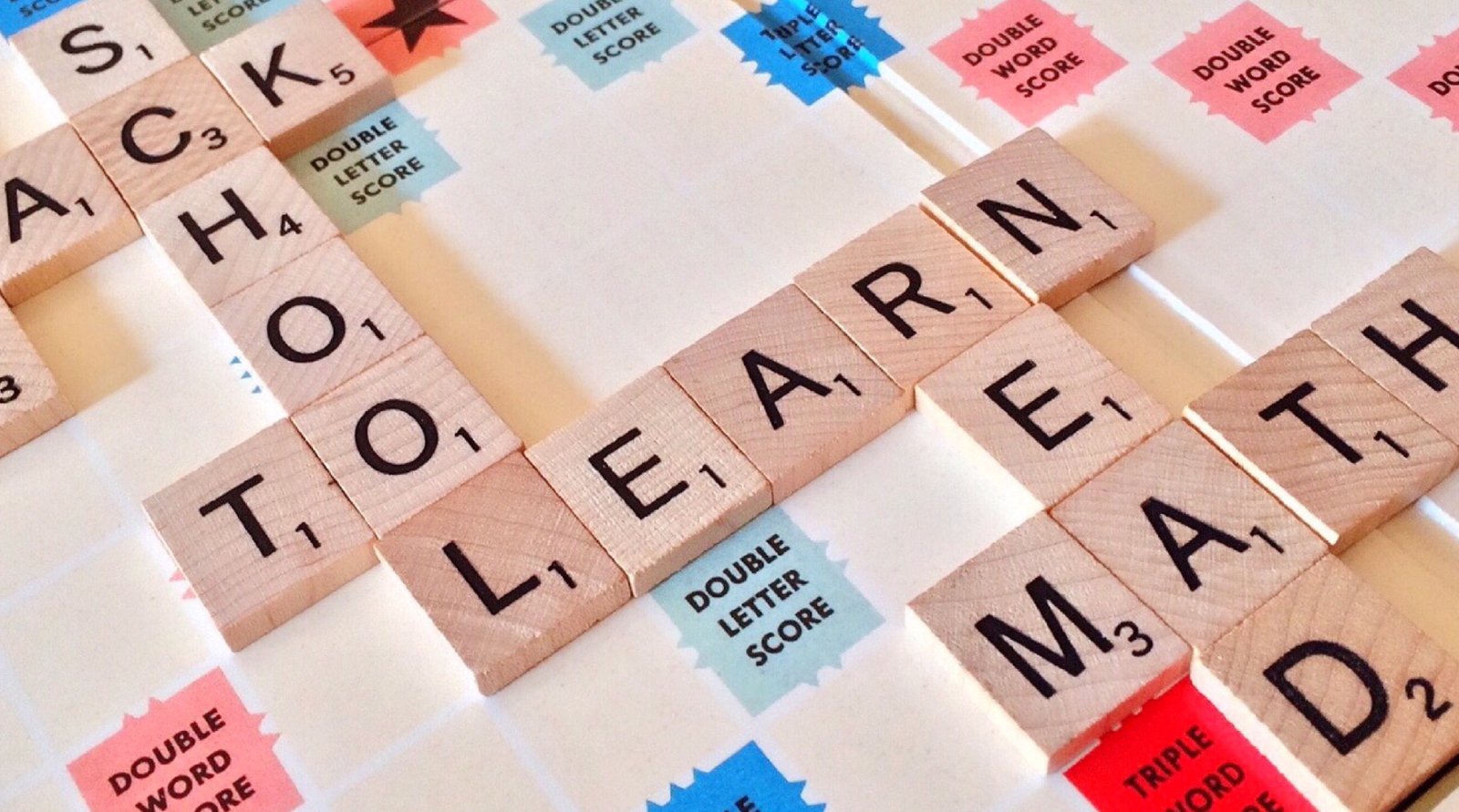
Introduction: In today's technology-driven world, it's becoming increasingly important to nurture a child's interest in STEM (Science, Technology, Engineering, and Math) subjects. And what better way to accomplish this than through interactive and hands-on STEM games? In this blog post, we will explore some exciting DIY home STEM games for children that promote learning while having fun. These games are not only educational but also encourage critical thinking, problem-solving, and creativity. 1. Straw Rockets: Materials needed: Straws, paper, tape, scissors, and markers. This game introduces the principles of aerodynamics and physics to children. They can design and build their rockets using cut-out paper, decorate them, and attach them to straws. By blowing into the straw, children learn about force and motion as they launch their rockets into the air. They can experiment with different sizes or shapes of rockets to observe how it affects their flight. 2. Coding Unplugged: Materials needed: Cards or paper, markers, dice, and tokens. Coding is an essential skill in today's digital age. This DIY game allows children to learn the basics of coding without the need for a computer. Design a "coding board" using cards or paper with arrows representing movement (up, down, left, right). Use a dice to determine the number of steps and tokens to represent the character's progress. Children can take turns creating a sequence of movements to reach a specific destination on the board, learning about algorithms and problem-solving along the way. 3. Bridge Building Challenge: Materials needed: Popsicle sticks, wooden blocks, masking tape, and small weights. This game introduces children to the principles of engineering and structural design. Provide children with popsicle sticks, wooden blocks, and masking tape as building materials. Challenge them to construct a bridge using these materials capable of holding small weights. Encourage them to experiment with different designs, lengths, and shapes to build the strongest bridge. This activity promotes problem-solving, critical thinking, and understanding of basic physics concepts such as balance and stability. 4. Math Scavenger Hunt: Materials needed: Math problems, paper, and markers. Combine the thrill of a scavenger hunt and the challenge of math problems with this STEM game. Create a series of math problems according to your child's level. Hide these problems throughout the house or garden. Provide numbered clues on paper to guide them from one problem to the next. As they solve each problem, they will collect a clue to the location of a final prize. This activity encourages critical thinking, mental math, and problem-solving skills. Conclusion: Engaging children in STEM subjects from an early age cultivates their curiosity and sets a solid foundation for future learning. By incorporating DIY home STEM games, we can make education enjoyable and interactive. These games not only promote learning but also inspire creativity, critical thinking, and problem-solving skills. So, gather the materials, roll up your sleeves, and let the science, technology, engineering, and math adventures begin! Seeking answers? You might find them in http://www.svop.org Expand your knowledge by perusing http://www.mimidate.com
Leave a Comment:
SEARCH
Recent News
- Robot Toys: Vancouver's Top Startups
- Robotic toys have become increasingly popular over the years, captivating both children and adults with their advanced features and interactive capabilities. With Vancouver being a hub for innovation and technology, it comes as no surprise that the city has established itself as a key player in the export and import of robot toys.
- Robot Toys: Exploring Vancouver's Best Companies
- Robots have become increasingly popular in recent years, not just as tools for industry and technology, but also as fun and educational toys for children. Robot toys offer a unique way for kids to engage with technology and learn about robotics and programming in a hands-on manner. In the UK, the government offers various business support programs to help companies that are involved in the production and distribution of robot toys.
- When it comes to exporting and importing robot toys in the UK, there are rules and regulations that need to be followed to ensure a smooth and compliant process. Robot toys have gained popularity in recent years due to advancements in technology, making them more interactive and engaging for children and adults alike. If you are a manufacturer, distributor, or retailer looking to export or import robot toys in the UK, it's important to be aware of the rules that govern this industry.
- The town of Tataouine in Tunisia has recently seen a rise in popularity of robot toys among children. These interactive toys have become a favorite among parents and kids alike for their fun features and entertainment value.
- Robotic toys have been capturing the attention of both children and adults in recent years, with their advanced features and interactive capabilities. As technology continues to evolve, the world of robot toys is also seeing some exciting trends that are shaping the industry. Let's take a closer look at some of the emerging trends in robot toys.
- Robots have long captured the imagination of children and adults alike with their futuristic and interactive capabilities. When it comes to robot toys, there are some top Irish companies that excel in creating innovative and engaging products for all ages.
READ MORE
10 months ago Category : ypad

Robot Toys: Vancouver's Top Startups
Read More →10 months ago Category : ypad

Robotic toys have become increasingly popular over the years, captivating both children and adults with their advanced features and interactive capabilities. With Vancouver being a hub for innovation and technology, it comes as no surprise that the city has established itself as a key player in the export and import of robot toys.
Read More →10 months ago Category : ypad

Robot Toys: Exploring Vancouver's Best Companies
Read More →10 months ago Category : ypad
