Children Educational and Interactive Games
YPad
Digital Learning Tools
STEM Activities
Early Childhood Development
The Fascinating World of Children's Games in Japanese Culture and Traditions
Category : ypad | Sub Category : ypad Posted on 2023-10-30 21:24:53
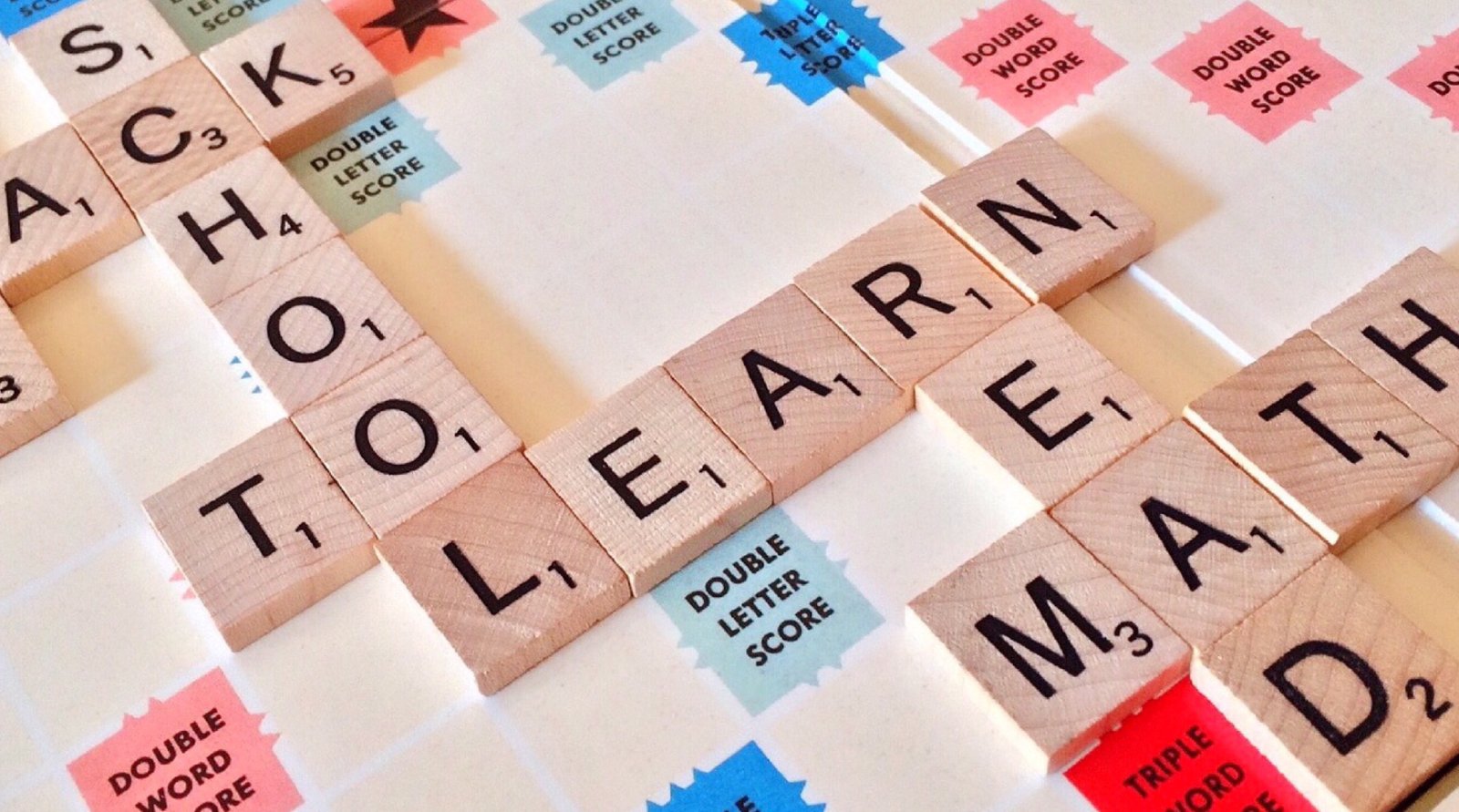
Introduction: Japanese culture is a treasure trove of ancient traditions and customs, and this rich heritage permeates all aspects of daily life, including children's games. These games not only provide entertainment for youngsters but also serve as a way to pass down cultural values and teachings from one generation to the next. In this blog post, we will explore the fascinating world of children's games in Japanese culture and delve into the significance they hold. 1. Traditional Toys and Games: Japanese children's games often revolve around traditional toys and playthings that have been a part of the culture for centuries. Some of these include Daruma dolls, Kendama (a cup-and-ball toy), and Otedama (a juggling game with fabric beanbags). These games not only promote dexterity and hand-eye coordination but also teach patience and perseverance. 2. Seasonal Games: Japanese culture is deeply rooted in the appreciation of nature, and seasonal changes hold immense significance. To celebrate the various seasons, children engage in specific games tied to those times of the year. For example, during Hanami (cherry blossom viewing) in spring, kids enjoy Hanetsuki, a game similar to badminton played with wooden paddles and a shuttlecock. Similarly, in summer, they partake in Yo-Yo Tsuri, a game where they try to catch goldfish using a paper scoop. 3. Street Games: Street games have been a favorite pastime for Japanese children for generations. These games often involve group participation and help foster a sense of camaraderie and teamwork. Some popular street games include Oicho-Kabu (a card game), Tako Age (kite flying), and Omuta Gama (a traditional game played with a pot lid). These games carry a spirit of excitement and are an integral part of Japanese childhood memories. 4. Folklore-inspired Games: Japanese folklore is rich with mythical creatures and stories that have been passed down through generations. These tales come alive through children's games that incorporate elements of these myths. For instance, in the game known as "Momotaro," children reenact the story of a brave hero who fought off demons with the help of animal companions. Folklore-inspired games not only entertain but also educate children about their cultural heritage. 5. Mind Games and Puzzles: Japanese culture values intellectual development, and children's games that stimulate the mind are prevalent. Sudoku, a globally popular number puzzle, has its roots in Japan. Additionally, Shogi (Japanese chess) and Go (a strategic board game) are played at all skill levels, including by children. These games enhance critical thinking, problem-solving abilities, and logical reasoning. Conclusion: Children's games in Japanese culture serve as a bridge between the past and the present, connecting younger generations to their heritage while providing fun and entertainment. These games highlight the importance of values such as teamwork, perseverance, and respect for nature. Exploring these traditional games not only offers a glimpse into Japanese culture but also invites us to appreciate the significance of play as a means of preserving cultural traditions for future generations. So, the next time you see children playing in the streets of Japan, you'll know that their games hold a blend of joyful amusement and a deep-rooted connection to their cultural roots. also for more http://www.takishi.com
Leave a Comment:
SEARCH
Recent News
- Robot Toys: Vancouver's Top Startups
- Robotic toys have become increasingly popular over the years, captivating both children and adults with their advanced features and interactive capabilities. With Vancouver being a hub for innovation and technology, it comes as no surprise that the city has established itself as a key player in the export and import of robot toys.
- Robot Toys: Exploring Vancouver's Best Companies
- Robots have become increasingly popular in recent years, not just as tools for industry and technology, but also as fun and educational toys for children. Robot toys offer a unique way for kids to engage with technology and learn about robotics and programming in a hands-on manner. In the UK, the government offers various business support programs to help companies that are involved in the production and distribution of robot toys.
- When it comes to exporting and importing robot toys in the UK, there are rules and regulations that need to be followed to ensure a smooth and compliant process. Robot toys have gained popularity in recent years due to advancements in technology, making them more interactive and engaging for children and adults alike. If you are a manufacturer, distributor, or retailer looking to export or import robot toys in the UK, it's important to be aware of the rules that govern this industry.
- The town of Tataouine in Tunisia has recently seen a rise in popularity of robot toys among children. These interactive toys have become a favorite among parents and kids alike for their fun features and entertainment value.
- Robotic toys have been capturing the attention of both children and adults in recent years, with their advanced features and interactive capabilities. As technology continues to evolve, the world of robot toys is also seeing some exciting trends that are shaping the industry. Let's take a closer look at some of the emerging trends in robot toys.
- Robots have long captured the imagination of children and adults alike with their futuristic and interactive capabilities. When it comes to robot toys, there are some top Irish companies that excel in creating innovative and engaging products for all ages.
READ MORE
10 months ago Category : ypad

Robot Toys: Vancouver's Top Startups
Read More →10 months ago Category : ypad

Robotic toys have become increasingly popular over the years, captivating both children and adults with their advanced features and interactive capabilities. With Vancouver being a hub for innovation and technology, it comes as no surprise that the city has established itself as a key player in the export and import of robot toys.
Read More →10 months ago Category : ypad

Robot Toys: Exploring Vancouver's Best Companies
Read More →10 months ago Category : ypad
