Children Educational and Interactive Games
YPad
Digital Learning Tools
STEM Activities
Early Childhood Development
The Role of Ethical Journalism in Children's Games
Category : ypad | Sub Category : ypad Posted on 2023-10-30 21:24:53
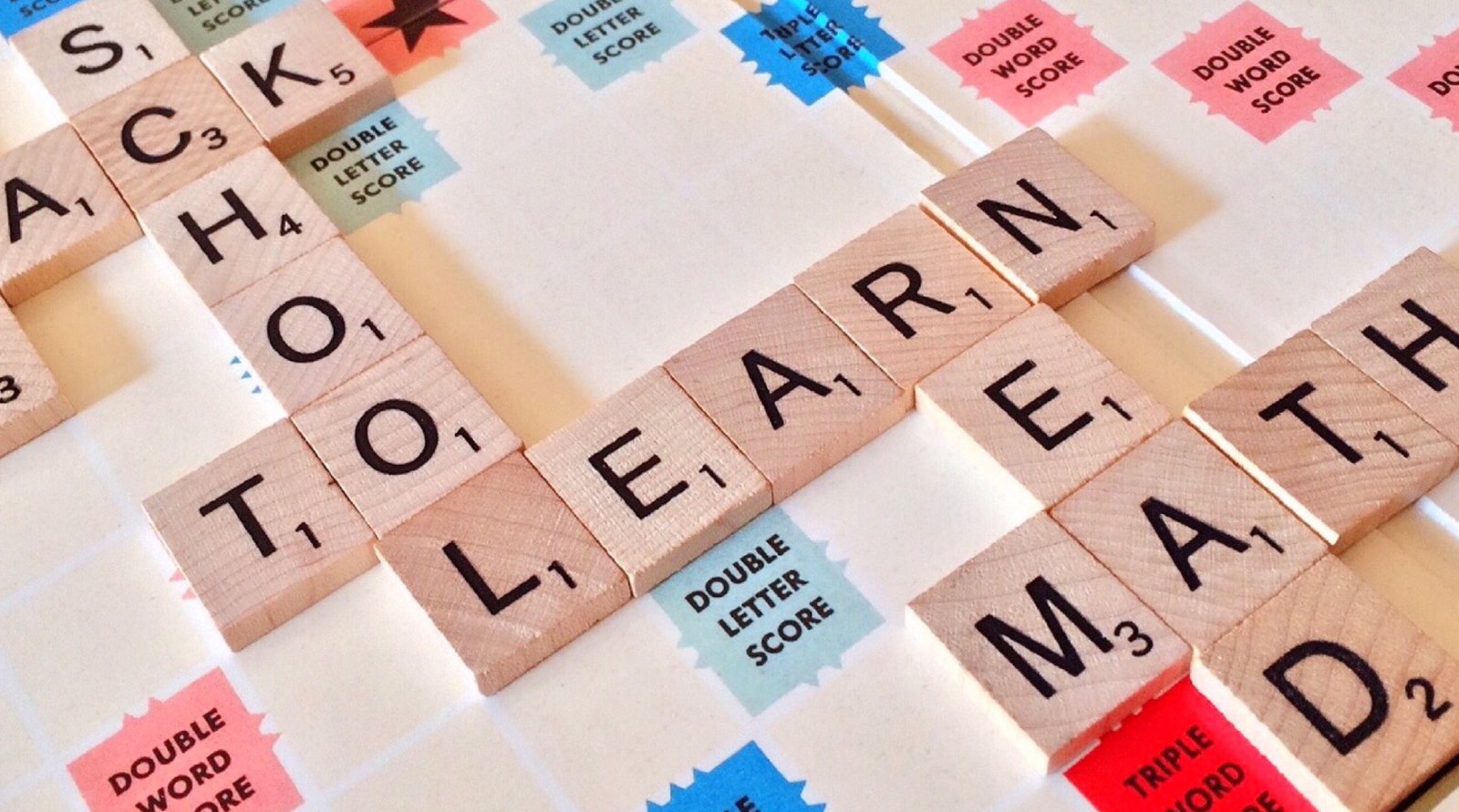
Introduction: In today's digital age, children have access to an array of entertainment options, including video games. While many of these games can offer educational benefits and provide a source of entertainment, the role of ethical journalism in the development and promotion of children's games cannot be understated. In this blog post, we will explore the importance of ethical journalism in shaping the content and impact of children's games. 1. The Influence of Media on Children: Children are highly impressionable, and the media they consume can significantly impact their thoughts, attitudes, and behavior. Game developers and journalists have a responsibility to provide children with content that is both engaging and ethically sound. Ethical journalism ensures that game developers provide accurate information about their games, promote positive values, and avoid harmful content. 2. Ethical Game Design: Ethical journalism plays a vital role in shaping the development and design of children's games. Journalists can highlight and commend game developers who prioritize inclusivity, diversity, and fair representation in their games. By showcasing games that promote positive values, ethical journalism encourages the creation of digital experiences that enrich children's lives and contribute to their personal growth. 3. Accountability and Transparency: Ethical journalism serves as a watchdog for the gaming industry, holding game developers accountable for their actions. This includes ensuring that games marketed towards children are age-appropriate, free from harmful content, and adhere to established industry standards. Journalists play a crucial role in identifying and exposing any unethical practices, such as the use of manipulative monetization strategies or the promotion of violent or inappropriate content. 4. Empowering Parents and Guardians: Parents and guardians rely on trustworthy sources of information to make informed decisions about the games their children play. Ethical journalism provides them with valuable insights into the content, potential risks, and benefits of different games. By reporting on age-appropriate games, promoting responsible game time management, and highlighting educational games, journalists empower parents and guardians to make suitable choices for their children. 5. Encouraging Engagement and Conversation: Ethical journalism surrounding children's games encourages meaningful conversations and engagement between game developers, journalists, parents, and guardians. By creating a dialogue around ethical game design, responsible marketing practices, and the impact of gaming on children's well-being, journalists contribute to the development of a more ethical and responsible gaming industry. Conclusion: Ethical journalism plays a crucial role in the development, promotion, and impact of children's games. By prioritizing accuracy, accountability, transparency, and responsible content creation, journalists can ensure that children have access to enriching and age-appropriate gaming experiences. Through ethical journalism, we can shape a future where children's games are not only entertaining but also contribute positively to their well-being and development. For more info http://www.semifake.com
Leave a Comment:
SEARCH
Recent News
- Robot Toys: Vancouver's Top Startups
- Robotic toys have become increasingly popular over the years, captivating both children and adults with their advanced features and interactive capabilities. With Vancouver being a hub for innovation and technology, it comes as no surprise that the city has established itself as a key player in the export and import of robot toys.
- Robot Toys: Exploring Vancouver's Best Companies
- Robots have become increasingly popular in recent years, not just as tools for industry and technology, but also as fun and educational toys for children. Robot toys offer a unique way for kids to engage with technology and learn about robotics and programming in a hands-on manner. In the UK, the government offers various business support programs to help companies that are involved in the production and distribution of robot toys.
- When it comes to exporting and importing robot toys in the UK, there are rules and regulations that need to be followed to ensure a smooth and compliant process. Robot toys have gained popularity in recent years due to advancements in technology, making them more interactive and engaging for children and adults alike. If you are a manufacturer, distributor, or retailer looking to export or import robot toys in the UK, it's important to be aware of the rules that govern this industry.
- The town of Tataouine in Tunisia has recently seen a rise in popularity of robot toys among children. These interactive toys have become a favorite among parents and kids alike for their fun features and entertainment value.
- Robotic toys have been capturing the attention of both children and adults in recent years, with their advanced features and interactive capabilities. As technology continues to evolve, the world of robot toys is also seeing some exciting trends that are shaping the industry. Let's take a closer look at some of the emerging trends in robot toys.
- Robots have long captured the imagination of children and adults alike with their futuristic and interactive capabilities. When it comes to robot toys, there are some top Irish companies that excel in creating innovative and engaging products for all ages.
READ MORE
10 months ago Category : ypad

Robot Toys: Vancouver's Top Startups
Read More →10 months ago Category : ypad

Robotic toys have become increasingly popular over the years, captivating both children and adults with their advanced features and interactive capabilities. With Vancouver being a hub for innovation and technology, it comes as no surprise that the city has established itself as a key player in the export and import of robot toys.
Read More →10 months ago Category : ypad

Robot Toys: Exploring Vancouver's Best Companies
Read More →10 months ago Category : ypad
