Children Educational and Interactive Games
YPad
Digital Learning Tools
STEM Activities
Early Childhood Development
The Importance of Teaching Politics Through Children's Games
Category : ypad | Sub Category : ypad Posted on 2023-10-30 21:24:53
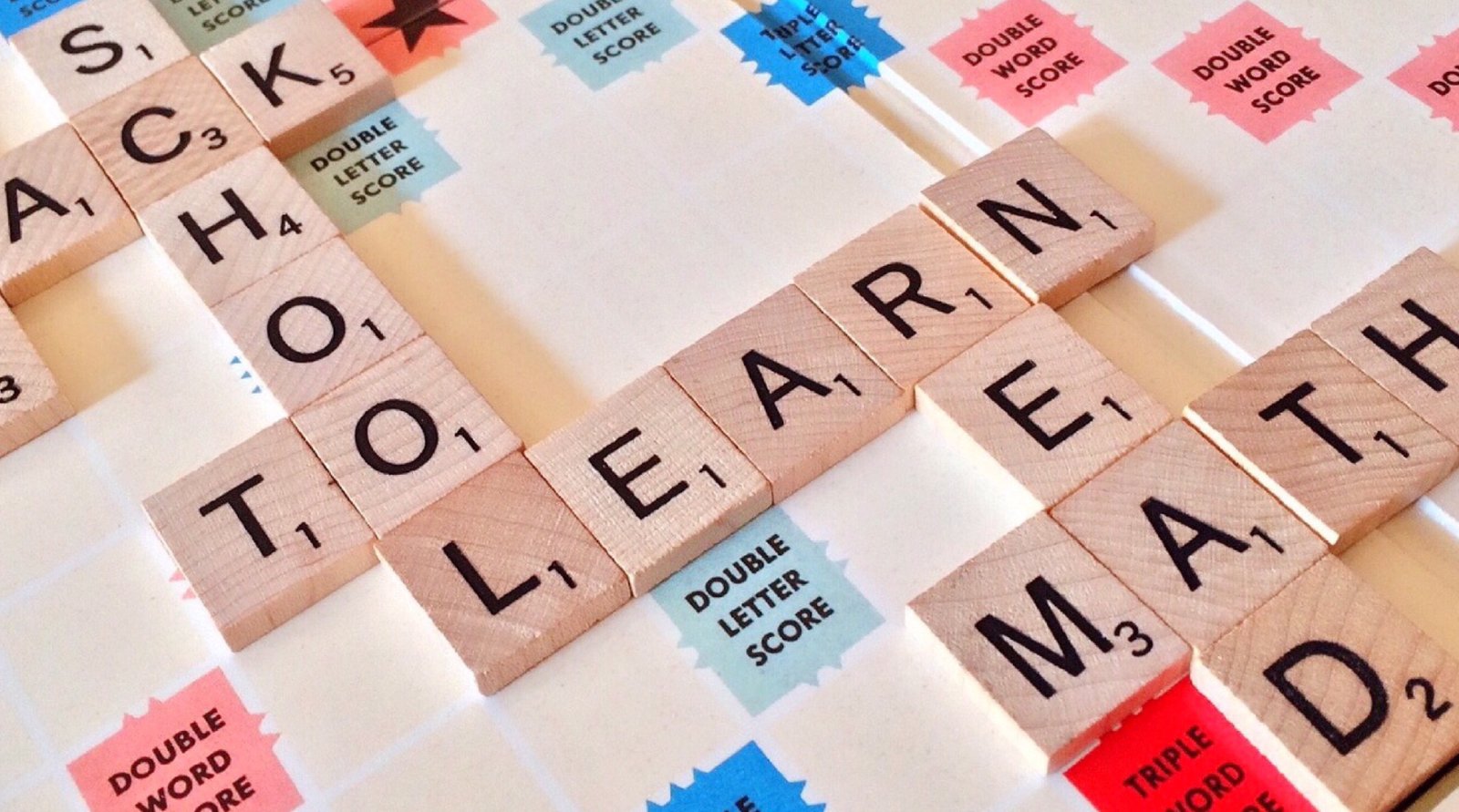
Introduction: In today's world, understanding politics is crucial for individuals of all ages. However, introducing political concepts to children can be somewhat challenging. To make it easier and more engaging, why not incorporate politics into fun and interactive games? In this blog post, we will explore the significance of teaching politics through children's games, specifically focusing on the blanket primary party politics game. 1. The Power of Play: Children learn best through play. By transforming complex political concepts into enjoyable games, we can make learning about party politics accessible and enjoyable for young minds. The blanket primary party politics game does just that! 2. What is a Blanket Primary? Before diving into the game, it's important to understand the concept of a blanket primary. In politics, a blanket primary is where voters can choose candidates from any political party, regardless of their own party affiliation. This system fosters inclusivity and encourages voters to focus more on the individual candidates rather than party lines. 3. How the Game Works: The blanket primary party politics game can be played with a group of children or within a classroom setting. Here's how it works: a) Preparation: Create small cards with different political party names, such as Republican, Democrat, Independent, Green Party, etc. Write the names of several fictional candidates on separate pieces of paper. b) Gameplay: Divide children into groups and give each group a set of party cards. Display candidate names on a board or wall. Children take turns selecting a party card and choosing a candidate from the available pool. They discuss and debate their choices, noting the qualities and policies that influence their decisions. c) Learning Objectives: Through this game, children will learn about the different political parties and their ideologies. They will understand that political affiliation does not define a person's worth or capabilities. Additionally, by discussing and debating candidates' qualities, children develop critical thinking and public speaking skills. 4. Benefits of Incorporating Politics into Children's Games: a) Civic Awareness: By engaging children in political games, we can foster civic awareness from an early age. They will gain a deeper understanding of how political parties function, the importance of democracy, and the role of elections in decision-making processes. b) Empathy and Tolerance: Children exposed to diverse political perspectives are more likely to develop empathy and tolerance towards others with differing opinions. They will learn to respect diversity of thought and understand the necessity for open dialogue and compromise within a democratic society. c) Active Participation: Encouraging children to actively participate in political discussions through games instills a sense of agency. This empowers young individuals to have a voice in shaping their future and motivates them to become engaged citizens as they grow older. Conclusion: Teaching politics through children's games is a creative and effective way to introduce complex concepts to young minds. The blanket primary party politics game not only educates children about different political parties but also helps cultivate critical thinking, empathy, and active participation. By nurturing a generation that understands politics from an early age, we can build a society that values informed decision-making and the power of democracy. For a different perspective, see: http://www.blanketprimary.com For an alternative viewpoint, explore http://www.culturepolitics.com If you're interested in this topic, I suggest reading http://www.mimidate.com To get a better understanding, go through http://www.cotidiano.org
Leave a Comment:
SEARCH
Recent News
- Robot Toys: Vancouver's Top Startups
- Robotic toys have become increasingly popular over the years, captivating both children and adults with their advanced features and interactive capabilities. With Vancouver being a hub for innovation and technology, it comes as no surprise that the city has established itself as a key player in the export and import of robot toys.
- Robot Toys: Exploring Vancouver's Best Companies
- Robots have become increasingly popular in recent years, not just as tools for industry and technology, but also as fun and educational toys for children. Robot toys offer a unique way for kids to engage with technology and learn about robotics and programming in a hands-on manner. In the UK, the government offers various business support programs to help companies that are involved in the production and distribution of robot toys.
- When it comes to exporting and importing robot toys in the UK, there are rules and regulations that need to be followed to ensure a smooth and compliant process. Robot toys have gained popularity in recent years due to advancements in technology, making them more interactive and engaging for children and adults alike. If you are a manufacturer, distributor, or retailer looking to export or import robot toys in the UK, it's important to be aware of the rules that govern this industry.
- The town of Tataouine in Tunisia has recently seen a rise in popularity of robot toys among children. These interactive toys have become a favorite among parents and kids alike for their fun features and entertainment value.
- Robotic toys have been capturing the attention of both children and adults in recent years, with their advanced features and interactive capabilities. As technology continues to evolve, the world of robot toys is also seeing some exciting trends that are shaping the industry. Let's take a closer look at some of the emerging trends in robot toys.
- Robots have long captured the imagination of children and adults alike with their futuristic and interactive capabilities. When it comes to robot toys, there are some top Irish companies that excel in creating innovative and engaging products for all ages.
READ MORE
9 months ago Category : ypad

Robot Toys: Vancouver's Top Startups
Read More →9 months ago Category : ypad

Robotic toys have become increasingly popular over the years, captivating both children and adults with their advanced features and interactive capabilities. With Vancouver being a hub for innovation and technology, it comes as no surprise that the city has established itself as a key player in the export and import of robot toys.
Read More →9 months ago Category : ypad

Robot Toys: Exploring Vancouver's Best Companies
Read More →9 months ago Category : ypad
