Children Educational and Interactive Games
YPad
Digital Learning Tools
STEM Activities
Early Childhood Development
Exploring Alternative Therapies Through Children's Games
Category : ypad | Sub Category : ypad Posted on 2023-10-30 21:24:53
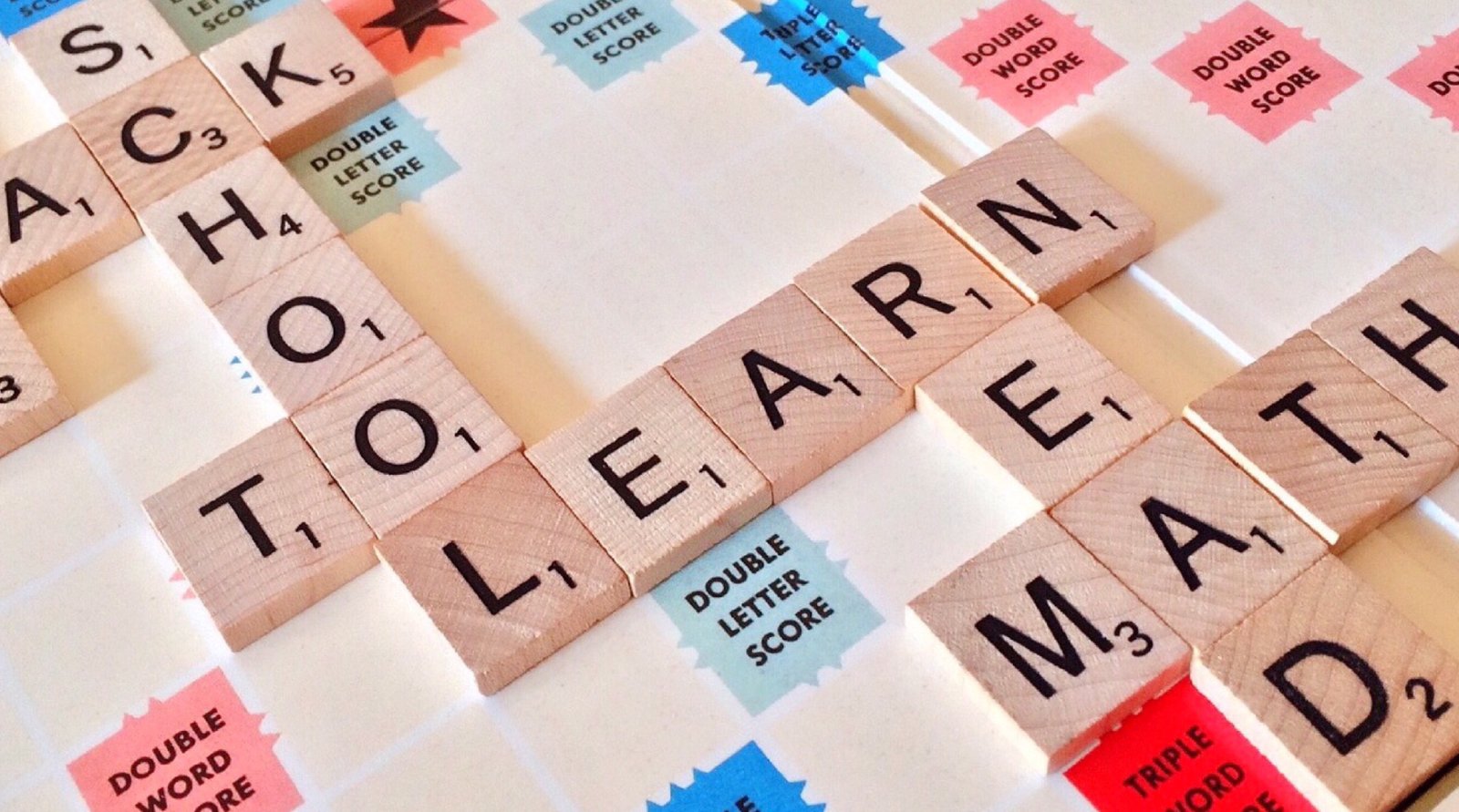
Introduction: Children's games have always been a popular form of entertainment and education, but did you know they can also be used as a tool for alternative therapies? Alternative therapies encompass a wide range of holistic approaches to healing, focusing on the mind, body, and spirit. In this article, we will explore how certain children's games can be adapted and incorporated into alternative therapies, providing unique benefits and promoting overall well-being for children. 1. Yoga for Kids: Yoga has been gaining popularity as a form of alternative therapy for adults, and it can also offer significant benefits for children. Integrating yoga poses into children's games can help enhance their flexibility, strength, and coordination while promoting relaxation and mindfulness. Games such as "Stretching Snakes" or "Balancing Birds" can be adapted to incorporate simple yoga postures, fostering a sense of calm and inner peace. 2. Art Therapy: Engaging in creative activities can have powerful therapeutic effects on children. Art therapy helps to express emotions, reduce stress, and stimulate cognitive development. Transforming traditional art activities into dynamic games can make the therapy more engaging. For instance, the classic "Pictionary" can be modified to include prompts that encourage self-expression or emotional exploration, turning it into an art therapy game for children. 3. Music Therapy: Music has a profound impact on our emotions and overall well-being. Music therapy is widely recognized for its therapeutic benefits and can be adapted in the form of children's games. Musical games like "Musical Chairs" or "Freeze Dance" can be customized to incorporate soothing melodies or rhythmic patterns that are known to reduce anxiety, improve focus, and enhance emotional regulation in children. 4. Sensory Play: Sensory play helps children explore, develop, and understand their senses. It can be an effective alternative therapy for children with sensory processing disorders or those seeking sensory stimulation. Traditional sensory play activities like "Water Play" or "Sensory Bins" can be modified to include different textures, sounds, or smells, offering a sensory-rich experience that aids in sensory integration and regulation. 5. Mindfulness and Meditation: Teaching children mindfulness and meditation can assist them in managing stress, regulating emotions, and improving their overall well-being. Incorporating mindfulness exercises into familiar games, such as "Simon Says," "I Spy," or even "Hide and Seek," can promote self-awareness, focus, and relaxation. By encouraging children to be present in the moment through play, mindfulness can become a natural part of their daily lives. Conclusion: Exploring alternative therapies through children's games can provide a unique and enjoyable approach to promote well-being in children. Yoga, art therapy, music therapy, sensory play, and mindfulness exercises all offer valuable benefits when incorporated into familiar games. By fostering physical, emotional, and cognitive development, these alternative therapies can help children navigate challenges, express their emotions, and develop important life skills. So, let play be the gateway to holistic healing for your child! For a comprehensive review, explore http://www.doctorregister.com
Leave a Comment:
SEARCH
Recent News
- Robot Toys: Vancouver's Top Startups
- Robotic toys have become increasingly popular over the years, captivating both children and adults with their advanced features and interactive capabilities. With Vancouver being a hub for innovation and technology, it comes as no surprise that the city has established itself as a key player in the export and import of robot toys.
- Robot Toys: Exploring Vancouver's Best Companies
- Robots have become increasingly popular in recent years, not just as tools for industry and technology, but also as fun and educational toys for children. Robot toys offer a unique way for kids to engage with technology and learn about robotics and programming in a hands-on manner. In the UK, the government offers various business support programs to help companies that are involved in the production and distribution of robot toys.
- When it comes to exporting and importing robot toys in the UK, there are rules and regulations that need to be followed to ensure a smooth and compliant process. Robot toys have gained popularity in recent years due to advancements in technology, making them more interactive and engaging for children and adults alike. If you are a manufacturer, distributor, or retailer looking to export or import robot toys in the UK, it's important to be aware of the rules that govern this industry.
- The town of Tataouine in Tunisia has recently seen a rise in popularity of robot toys among children. These interactive toys have become a favorite among parents and kids alike for their fun features and entertainment value.
- Robotic toys have been capturing the attention of both children and adults in recent years, with their advanced features and interactive capabilities. As technology continues to evolve, the world of robot toys is also seeing some exciting trends that are shaping the industry. Let's take a closer look at some of the emerging trends in robot toys.
- Robots have long captured the imagination of children and adults alike with their futuristic and interactive capabilities. When it comes to robot toys, there are some top Irish companies that excel in creating innovative and engaging products for all ages.
READ MORE
9 months ago Category : ypad

Robot Toys: Vancouver's Top Startups
Read More →9 months ago Category : ypad

Robotic toys have become increasingly popular over the years, captivating both children and adults with their advanced features and interactive capabilities. With Vancouver being a hub for innovation and technology, it comes as no surprise that the city has established itself as a key player in the export and import of robot toys.
Read More →9 months ago Category : ypad

Robot Toys: Exploring Vancouver's Best Companies
Read More →9 months ago Category : ypad
