Children Educational and Interactive Games
YPad
Digital Learning Tools
STEM Activities
Early Childhood Development
Revolutionizing Preschool Games with Autonomous Robotics
Category : ypad | Sub Category : ypad Posted on 2023-10-30 21:24:53
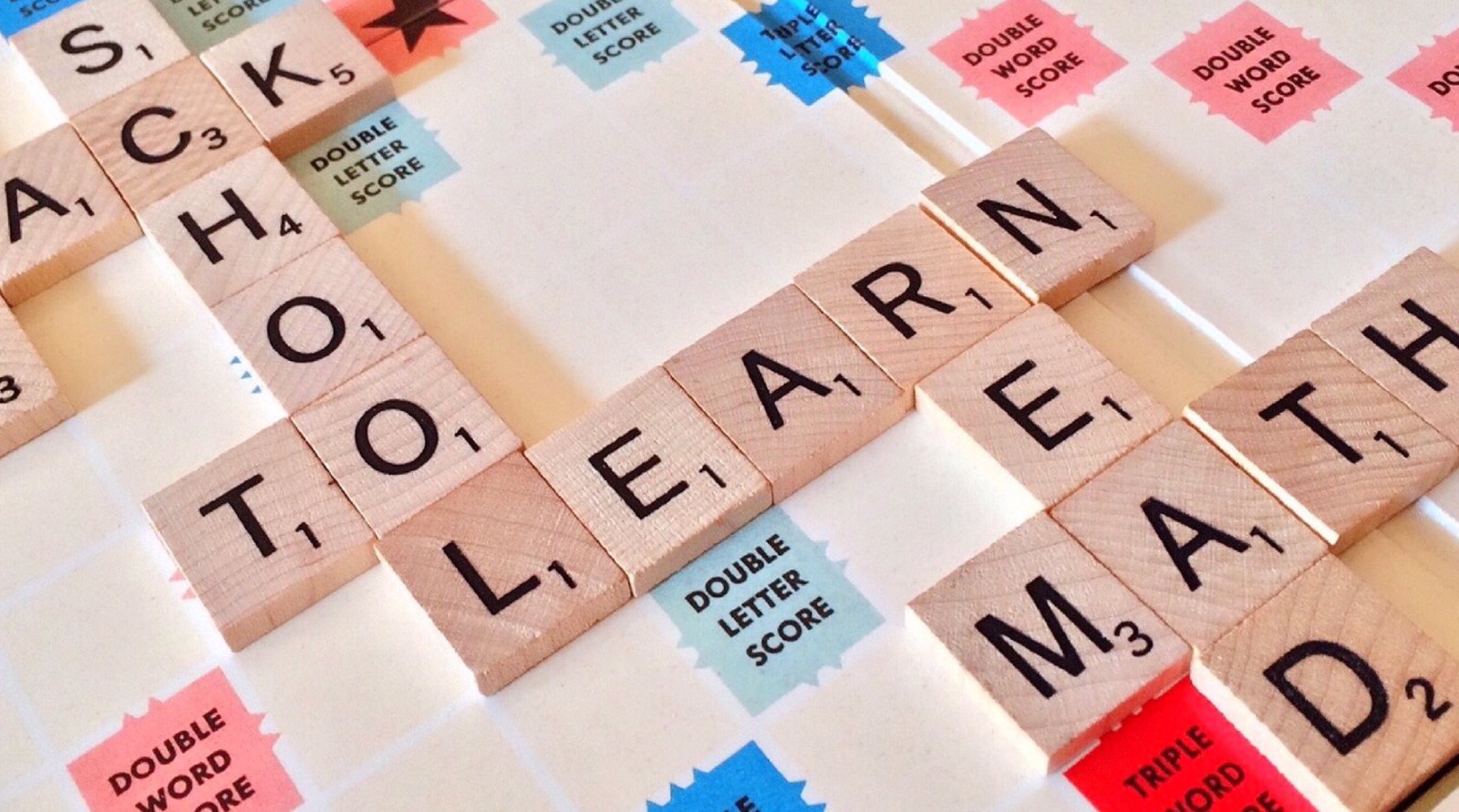
Intro: In recent years, the field of robotics has been making great strides in various industries, including education. One area where autonomous robotics is proving to be a game-changer is in preschool education. Imagine a world where children can learn and have fun simultaneously, engaging with smart robots capable of providing interactive experiences. In this blog post, we will explore the exciting potential of autonomous robotics in transforming preschool games and the benefits they bring to young learners. 1. Making Learning Fun: Preschoolers learn best through play, and what better way to make learning fun than by incorporating autonomous robots into their games? These intelligent machines provide an interactive and dynamic learning environment that captures a child's attention and keeps them engaged for extended periods. Whether it's solving puzzles, playing memory games, or participating in robot-led storytelling sessions, these robots make every game a thrilling adventure for children. 2. Fostering Social and Emotional Development: Autonomous robots in preschool games not only enhance cognitive development but also help nurture social and emotional skills in young children. These robots can be programmed to act as friendly companions, encouraging kids to engage in collaborative play. By interacting with the robots, children learn valuable lessons in sharing, taking turns, and effective communication. This technology promotes the development of empathy and compassion in an age-appropriate and enjoyable manner. 3. Personalized Learning Experiences: Every child is unique and learns at their own pace. Autonomous robotics in preschool games have the ability to adapt to each child's specific needs. Through advanced algorithms and sensors, these robots can assess a child's abilities, track their progress, and provide feedback accordingly. This personalized approach allows children to learn at their individual level, ensuring that no child is left behind while also providing challenges to children who need them. 4. Encouraging STEM Education: As the world becomes increasingly driven by technology, it is crucial to introduce children to the concepts of science, technology, engineering, and mathematics (STEM) from an early age. Autonomous robotics in preschool games offer an excellent platform to expose children to these subjects in a playful manner. These robots can introduce basic coding concepts, teach logical thinking, and spark an interest in STEM fields, potentially nurturing the next generation of innovators. 5. Maintenance of Child's Interest: One of the challenges faced in preschool education is maintaining a child's interest over extended periods. With autonomous robots as teachers, the novelty factor keeps children intrigued and engaged in the learning process. These robots are always there, ready to play, sing, dance, and assist, making preschool games exciting and captivating. This sustained interest translates into improved knowledge retention and a love for learning. Conclusion: The integration of autonomous robotics into preschool games has the potential to revolutionize early childhood education. From making learning fun and fostering social skills to personalizing learning experiences and encouraging interest in STEM fields, these robots offer numerous benefits to young learners. As technology continues to evolve, we can expect to see even more innovative and interactive ways in which autonomous robots will enrich preschool education, helping children lay a strong foundation for their future. To learn more, take a look at: http://www.pxrobotics.com
Leave a Comment:
SEARCH
Recent News
- Robot Toys: Vancouver's Top Startups
- Robotic toys have become increasingly popular over the years, captivating both children and adults with their advanced features and interactive capabilities. With Vancouver being a hub for innovation and technology, it comes as no surprise that the city has established itself as a key player in the export and import of robot toys.
- Robot Toys: Exploring Vancouver's Best Companies
- Robots have become increasingly popular in recent years, not just as tools for industry and technology, but also as fun and educational toys for children. Robot toys offer a unique way for kids to engage with technology and learn about robotics and programming in a hands-on manner. In the UK, the government offers various business support programs to help companies that are involved in the production and distribution of robot toys.
- When it comes to exporting and importing robot toys in the UK, there are rules and regulations that need to be followed to ensure a smooth and compliant process. Robot toys have gained popularity in recent years due to advancements in technology, making them more interactive and engaging for children and adults alike. If you are a manufacturer, distributor, or retailer looking to export or import robot toys in the UK, it's important to be aware of the rules that govern this industry.
- The town of Tataouine in Tunisia has recently seen a rise in popularity of robot toys among children. These interactive toys have become a favorite among parents and kids alike for their fun features and entertainment value.
- Robotic toys have been capturing the attention of both children and adults in recent years, with their advanced features and interactive capabilities. As technology continues to evolve, the world of robot toys is also seeing some exciting trends that are shaping the industry. Let's take a closer look at some of the emerging trends in robot toys.
- Robots have long captured the imagination of children and adults alike with their futuristic and interactive capabilities. When it comes to robot toys, there are some top Irish companies that excel in creating innovative and engaging products for all ages.
READ MORE
9 months ago Category : ypad

Robot Toys: Vancouver's Top Startups
Read More →9 months ago Category : ypad

Robotic toys have become increasingly popular over the years, captivating both children and adults with their advanced features and interactive capabilities. With Vancouver being a hub for innovation and technology, it comes as no surprise that the city has established itself as a key player in the export and import of robot toys.
Read More →9 months ago Category : ypad

Robot Toys: Exploring Vancouver's Best Companies
Read More →9 months ago Category : ypad
