Children Educational and Interactive Games
YPad
Digital Learning Tools
STEM Activities
Early Childhood Development
Empowering Digital Education with Artificial Intelligence for Children
Category : ypad | Sub Category : ypad Posted on 2023-10-30 21:24:53
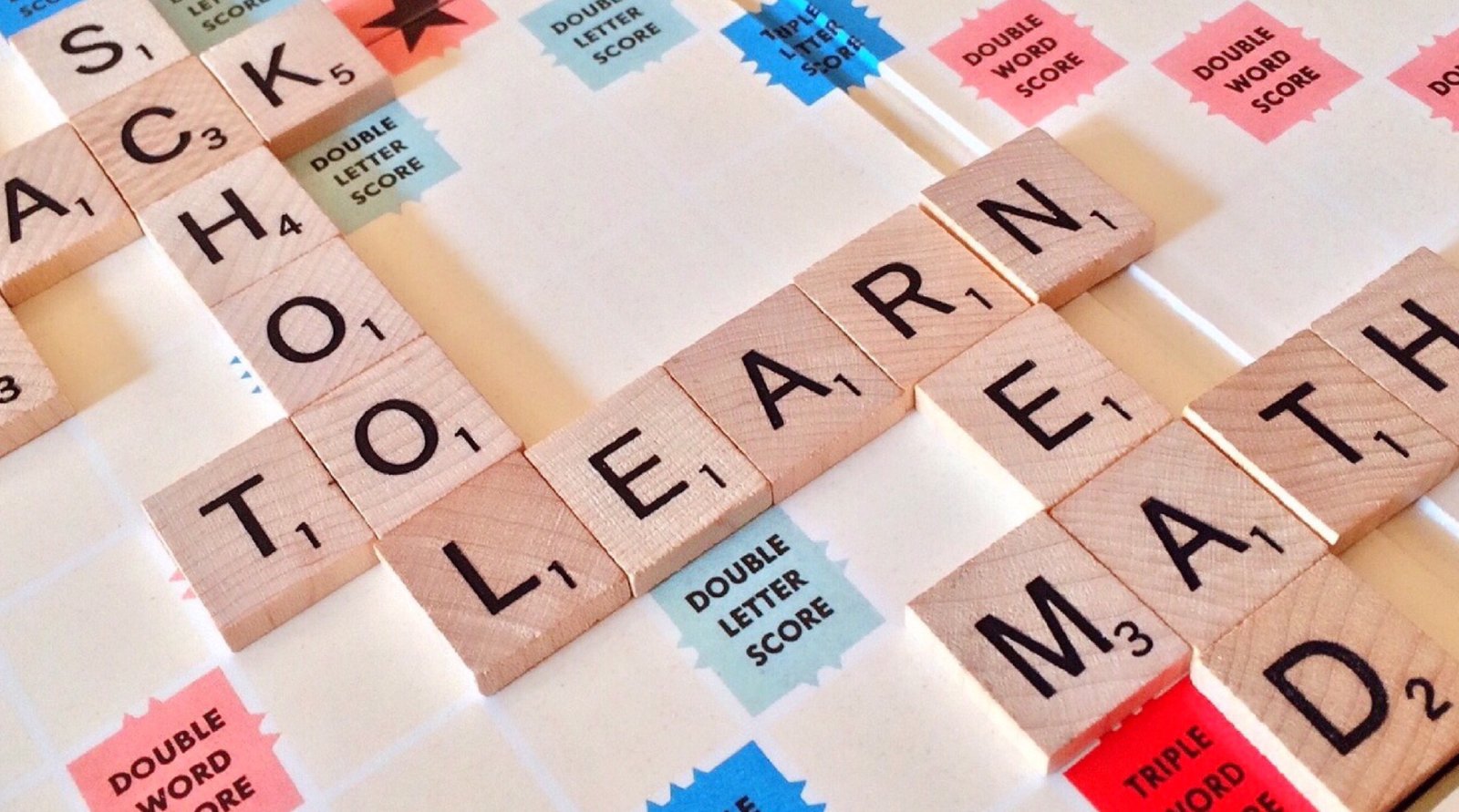
Introduction: In today's rapidly evolving digital age, technology has become an integral part of everyday life. From smartphones to smart homes, it's no surprise that education has also embraced innovative technologies. One such technology that is revolutionizing the way children learn is artificial intelligence (AI). With an increasing number of children using digital learning tools, AI is making education more immersive, interactive, and personalized. In this blog post, we will explore how AI-powered digital learning tools are shaping the future of education for children. 1. Personalized Learning Experience: Every child is unique, with different learning styles and abilities. One of the main advantages of AI in digital learning is its ability to provide personalized learning experiences. AI algorithms can analyze a child's strengths, weaknesses, and preferred learning methods, allowing them to tailor educational content accordingly. Whether it's adaptive quizzes, customized lesson plans, or virtual tutors, AI ensures that children receive individualized attention and support. 2. Intelligent Tutoring Systems: With AI, digital learning tools can act as intelligent tutors, providing immediate feedback and guidance to children. These systems can analyze a child's responses, identify areas of improvement, and offer personalized suggestions for enhancing their understanding. Intelligent tutoring systems not only enhance children's problem-solving and critical-thinking skills but also foster independent learning and self-motivation. 3. Natural Language Processing: Children often struggle to express themselves effectively, especially when it comes to writing or verbal communication. AI-powered digital learning tools leverage natural language processing (NLP) to understand and interpret a child's written or spoken language. By using NLP, these tools can provide instant feedback on grammar, spelling, vocabulary, and sentence structure, helping children improve their language skills in a more engaging and interactive manner. 4. Gamification and Immersive Experiences: Learning should be fun, engaging, and interactive. AI-enabled digital learning tools incorporate gamification techniques to make education more enjoyable for children. These tools often include game-like elements such as points, levels, rewards, and avatars to motivate children and keep them actively involved in the learning process. Additionally, virtual and augmented reality technologies can provide immersive experiences, allowing children to visualize complex concepts and explore the subjects they are studying. 5. Enhanced Accessibility and Inclusion: AI-powered digital learning tools have the potential to bridge the accessibility gap in education. By leveraging speech recognition, visual recognition, and text-to-speech capabilities, these tools can assist children with disabilities, learning difficulties, or language barriers. AI ensures that every child has equal access to educational resources and opportunities, promoting inclusivity in the digital learning environment. Conclusion: Artificial intelligence is transforming the landscape of education for children by revolutionizing digital learning tools. With personalized learning experiences, intelligent tutoring systems, natural language processing, gamification, and enhanced accessibility, AI is ushering in an era of interactive and engaging education. As we continue to explore the potential of AI in education, it is crucial to strike a balance between technology and human interaction to ensure optimal learning outcomes for children. By harnessing the power of AI, we can empower the next generation with the knowledge and skills necessary to thrive in our increasingly digital world. also for more info http://www.thunderact.com More about this subject in http://www.vfeat.com also don't miss more information at http://www.sugerencias.net
Leave a Comment:
SEARCH
Recent News
- Robot Toys: Vancouver's Top Startups
- Robotic toys have become increasingly popular over the years, captivating both children and adults with their advanced features and interactive capabilities. With Vancouver being a hub for innovation and technology, it comes as no surprise that the city has established itself as a key player in the export and import of robot toys.
- Robot Toys: Exploring Vancouver's Best Companies
- Robots have become increasingly popular in recent years, not just as tools for industry and technology, but also as fun and educational toys for children. Robot toys offer a unique way for kids to engage with technology and learn about robotics and programming in a hands-on manner. In the UK, the government offers various business support programs to help companies that are involved in the production and distribution of robot toys.
- When it comes to exporting and importing robot toys in the UK, there are rules and regulations that need to be followed to ensure a smooth and compliant process. Robot toys have gained popularity in recent years due to advancements in technology, making them more interactive and engaging for children and adults alike. If you are a manufacturer, distributor, or retailer looking to export or import robot toys in the UK, it's important to be aware of the rules that govern this industry.
- The town of Tataouine in Tunisia has recently seen a rise in popularity of robot toys among children. These interactive toys have become a favorite among parents and kids alike for their fun features and entertainment value.
- Robotic toys have been capturing the attention of both children and adults in recent years, with their advanced features and interactive capabilities. As technology continues to evolve, the world of robot toys is also seeing some exciting trends that are shaping the industry. Let's take a closer look at some of the emerging trends in robot toys.
- Robots have long captured the imagination of children and adults alike with their futuristic and interactive capabilities. When it comes to robot toys, there are some top Irish companies that excel in creating innovative and engaging products for all ages.
READ MORE
11 months ago Category : ypad

Robot Toys: Vancouver's Top Startups
Read More →11 months ago Category : ypad

Robotic toys have become increasingly popular over the years, captivating both children and adults with their advanced features and interactive capabilities. With Vancouver being a hub for innovation and technology, it comes as no surprise that the city has established itself as a key player in the export and import of robot toys.
Read More →11 months ago Category : ypad

Robot Toys: Exploring Vancouver's Best Companies
Read More →11 months ago Category : ypad
