Children Educational and Interactive Games
YPad
Digital Learning Tools
STEM Activities
Early Childhood Development
The Power of Role-Playing and Imaginative Play in Arab Children
Category : ypad | Sub Category : ypad Posted on 2023-10-30 21:24:53
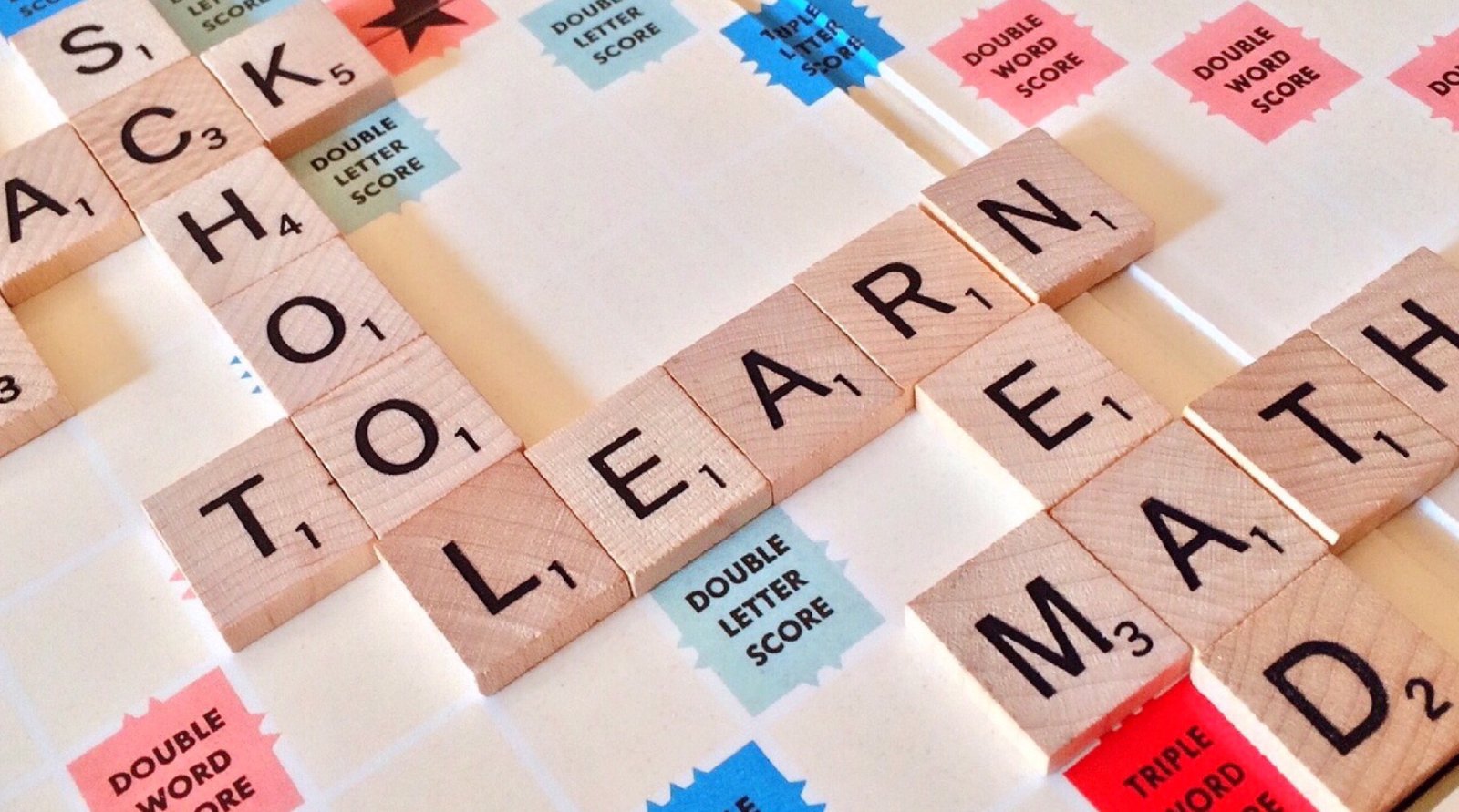
Introduction: Play is an essential part of a child's development, irrespective of culture or background. It helps them explore the world and develop vital skills such as creativity, problem-solving, and social interactions. In Arab culture, role-playing and imaginative play play a significant role in shaping children's personalities and fostering their cultural awareness. In this blog post, we will explore why role-playing and imaginative play are crucial for Arab children and how it enhances their cognitive, emotional, and social development. 1. Encourages Creative Thinking: Role-playing and imaginative play allow Arab children to explore their creativity and expand their imagination. Whether they pretend to be doctors, teachers, or heroes from their favorite stories, this type of play encourages them to think outside the box and come up with unique scenarios. Through their make-believe worlds, children can develop problem-solving skills and think critically, helping them in various aspects of their life. 2. Builds Cultural Awareness: Arab children often engage in role-playing activities involving their rich cultural heritage. This form of play helps them learn about their traditions, customs, and values. They may don traditional clothing, reenact historical events, or recreate scenes from Arab folklore. By doing so, children gain a profound understanding and appreciation for their own culture, preserving their heritage while adapting to the modern world. 3. Enhances Language and Communication Skills: Role-playing and imaginative play provide ample opportunities for Arab children to work on their language and communication skills. When engaging in pretend play, children take on different roles, and in doing so, they must use language to express themselves, negotiate, and cooperate with others. This type of play encourages vocabulary expansion, sentence formation, and improves their overall communication abilities. 4. Fosters Social and Emotional Development: Through role-playing and imaginative play, Arab children develop important social and emotional skills. As they take on different roles, they learn empathy and gain a deeper understanding of others' perspectives. They also learn essential social skills, such as turn-taking, sharing, and teamwork, which are vital for building relationships and navigating social situations. Moreover, this type of play allows children to express and process their emotions, helping them develop emotional resilience. 5. Sparks Cultural Innovation: Role-playing and imaginative play enable Arab children to think creatively and innovatively. By incorporating elements from their culture into their play, they contribute to the preservation and evolution of their traditions. They create new stories, games, and scenarios that incorporate modern themes while keeping their cultural roots intact. This sparks cultural innovation and allows children to find new ways to celebrate and express their Arab identity. Conclusion: Role-playing and imaginative play have a profound impact on Arab children's cognitive, emotional, and social development. Through these forms of play, children can explore their creativity, learn about their culture, enhance their language skills, and foster their social and emotional growth. As parents, educators, and caretakers, it is crucial to provide ample opportunities for Arab children to engage in meaningful play, enabling them to thrive and embrace their cultural identity while adapting to an ever-changing world. Explore this subject further by checking out http://www.onlinebanat.com
Leave a Comment:
SEARCH
Recent News
- Robot Toys: Vancouver's Top Startups
- Robotic toys have become increasingly popular over the years, captivating both children and adults with their advanced features and interactive capabilities. With Vancouver being a hub for innovation and technology, it comes as no surprise that the city has established itself as a key player in the export and import of robot toys.
- Robot Toys: Exploring Vancouver's Best Companies
- Robots have become increasingly popular in recent years, not just as tools for industry and technology, but also as fun and educational toys for children. Robot toys offer a unique way for kids to engage with technology and learn about robotics and programming in a hands-on manner. In the UK, the government offers various business support programs to help companies that are involved in the production and distribution of robot toys.
- When it comes to exporting and importing robot toys in the UK, there are rules and regulations that need to be followed to ensure a smooth and compliant process. Robot toys have gained popularity in recent years due to advancements in technology, making them more interactive and engaging for children and adults alike. If you are a manufacturer, distributor, or retailer looking to export or import robot toys in the UK, it's important to be aware of the rules that govern this industry.
- The town of Tataouine in Tunisia has recently seen a rise in popularity of robot toys among children. These interactive toys have become a favorite among parents and kids alike for their fun features and entertainment value.
- Robotic toys have been capturing the attention of both children and adults in recent years, with their advanced features and interactive capabilities. As technology continues to evolve, the world of robot toys is also seeing some exciting trends that are shaping the industry. Let's take a closer look at some of the emerging trends in robot toys.
- Robots have long captured the imagination of children and adults alike with their futuristic and interactive capabilities. When it comes to robot toys, there are some top Irish companies that excel in creating innovative and engaging products for all ages.
READ MORE
9 months ago Category : ypad

Robot Toys: Vancouver's Top Startups
Read More →9 months ago Category : ypad

Robotic toys have become increasingly popular over the years, captivating both children and adults with their advanced features and interactive capabilities. With Vancouver being a hub for innovation and technology, it comes as no surprise that the city has established itself as a key player in the export and import of robot toys.
Read More →9 months ago Category : ypad

Robot Toys: Exploring Vancouver's Best Companies
Read More →9 months ago Category : ypad
