Children Educational and Interactive Games
YPad
Digital Learning Tools
STEM Activities
Early Childhood Development
APA Papers: Making Seasonal and Holiday Games Fun for Children
Category : ypad | Sub Category : ypad Posted on 2023-10-30 21:24:53
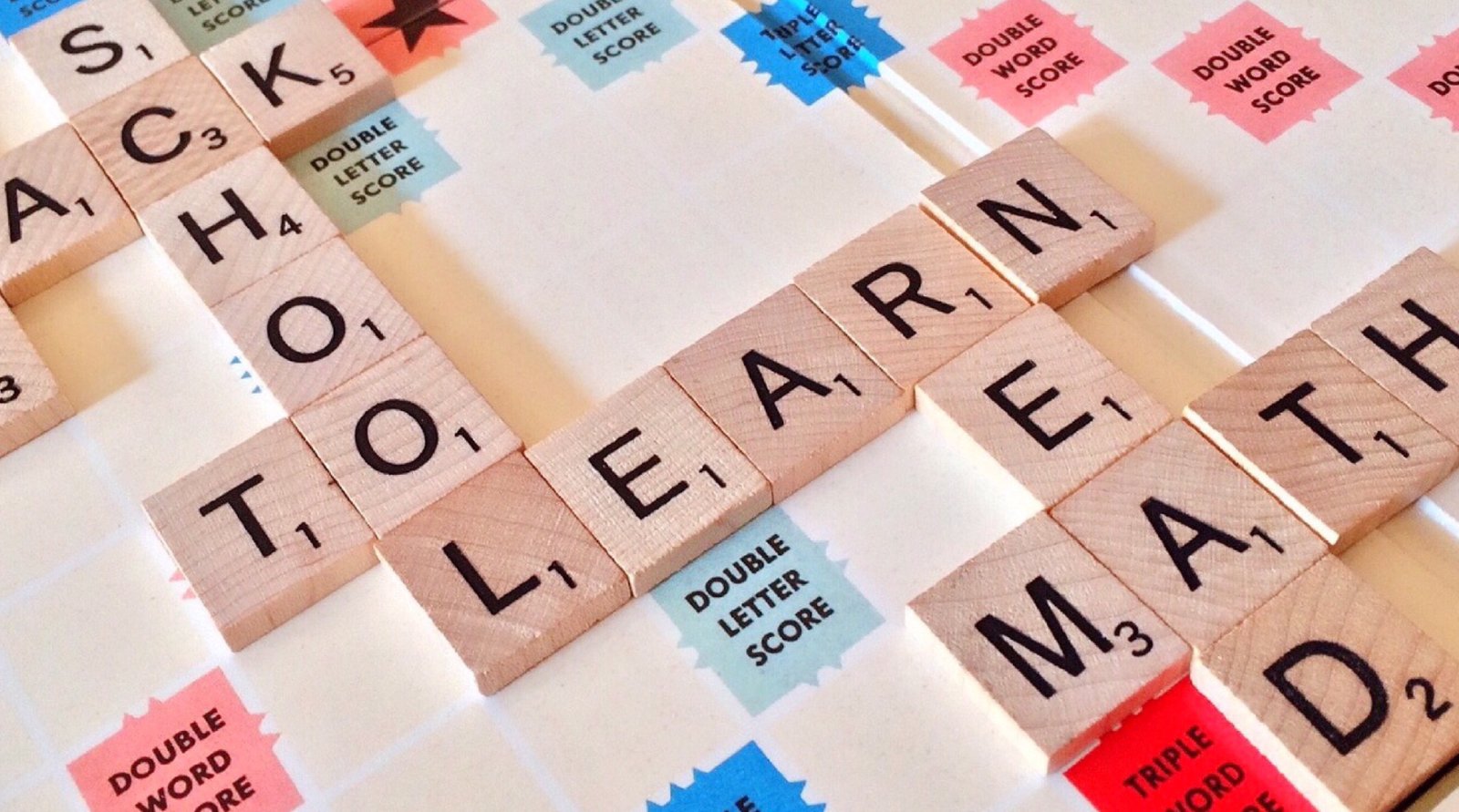
Introduction: Seasonal and holiday games are a fantastic way to engage children and create lasting memories. As an educator or parent, incorporating these games into your curriculum or family time can be a great way to teach valuable skills while enjoying the festive spirit. In this blog post, we will explore how you can make seasonal and holiday games both educational and fun for children, all while adhering to the guidelines set by the American Psychological Association (APA) for academic papers. 1. Understanding the APA Format: When writing or designing educational games for children, it's important to adhere to the APA guidelines. APA format emphasizes clear and concise communication, proper citation, and reliable sources of information. Ensure that any academic references or research used to develop the game follow APA standards. 2. Choosing Appropriate Themes: Selecting seasonal or holiday themes that align with a child's age, interests, and cultural background is essential. Whether it's a winter-themed scavenger hunt, a Halloween-themed word puzzle, or an Easter egg counting game, make sure the content is enjoyable and relevant to the child's experience. 3. Incorporating Educational Components: While the primary goal of seasonal and holiday games is to create a fun and exciting atmosphere, incorporating educational components can further enhance the learning experience. Incorporate elements such as problem-solving, critical thinking, math skills, or literacy development into the gameplay. For example, a Thanksgiving-themed bingo game can teach children about gratitude and promote vocabulary development. 4. Adjusting Difficulty Levels: To accommodate children of varying ages and abilities, it's crucial to offer different difficulty levels within the games. This ensures that children can participate regardless of their skills or knowledge. Incorporate easy, moderate, and challenging levels, enabling children to progress and grow as they play. 5. Encouraging Social Interaction: Seasonal and holiday games provide an excellent opportunity for children to interact with their peers, siblings, or even adults. Encourage cooperative gameplay or team-building exercises to foster social skills development. Activities like a Christmas-themed relay race or a cooperative New Year's puzzle can promote teamwork and communication. 6. Incorporating Multicultural Perspectives: In our increasingly diverse world, it's important to incorporate multicultural perspectives into seasonal and holiday games. Ensure that the games you design represent various cultural celebrations and traditions, providing a more inclusive experience for all children involved. 7. Providing Sufficient Resources: When creating or selecting seasonal and holiday games, it's important to consider the availability of resources and materials. Make sure the games are feasible to implement in a classroom or home setting and that they don't require excessive preparation or expensive supplies. Conclusion: Seasonal and holiday games can be both delightful and educational for children. By following APA guidelines and incorporating educational components, adjusting difficulty levels, encouraging social interaction, and promoting multicultural perspectives, you can create engaging and inclusive experiences for children during these special times. Remember, while having fun is important, ensuring the games are aligned with educational objectives will make them truly beneficial for the young minds playing them. Want a deeper understanding? http://www.apapapers.com
Leave a Comment:
SEARCH
Recent News
- Robot Toys: Vancouver's Top Startups
- Robotic toys have become increasingly popular over the years, captivating both children and adults with their advanced features and interactive capabilities. With Vancouver being a hub for innovation and technology, it comes as no surprise that the city has established itself as a key player in the export and import of robot toys.
- Robot Toys: Exploring Vancouver's Best Companies
- Robots have become increasingly popular in recent years, not just as tools for industry and technology, but also as fun and educational toys for children. Robot toys offer a unique way for kids to engage with technology and learn about robotics and programming in a hands-on manner. In the UK, the government offers various business support programs to help companies that are involved in the production and distribution of robot toys.
- When it comes to exporting and importing robot toys in the UK, there are rules and regulations that need to be followed to ensure a smooth and compliant process. Robot toys have gained popularity in recent years due to advancements in technology, making them more interactive and engaging for children and adults alike. If you are a manufacturer, distributor, or retailer looking to export or import robot toys in the UK, it's important to be aware of the rules that govern this industry.
- The town of Tataouine in Tunisia has recently seen a rise in popularity of robot toys among children. These interactive toys have become a favorite among parents and kids alike for their fun features and entertainment value.
- Robotic toys have been capturing the attention of both children and adults in recent years, with their advanced features and interactive capabilities. As technology continues to evolve, the world of robot toys is also seeing some exciting trends that are shaping the industry. Let's take a closer look at some of the emerging trends in robot toys.
- Robots have long captured the imagination of children and adults alike with their futuristic and interactive capabilities. When it comes to robot toys, there are some top Irish companies that excel in creating innovative and engaging products for all ages.
READ MORE
9 months ago Category : ypad

Robot Toys: Vancouver's Top Startups
Read More →9 months ago Category : ypad

Robotic toys have become increasingly popular over the years, captivating both children and adults with their advanced features and interactive capabilities. With Vancouver being a hub for innovation and technology, it comes as no surprise that the city has established itself as a key player in the export and import of robot toys.
Read More →9 months ago Category : ypad

Robot Toys: Exploring Vancouver's Best Companies
Read More →9 months ago Category : ypad
