Children Educational and Interactive Games
YPad
Digital Learning Tools
STEM Activities
Early Childhood Development
A Comprehensive Guide to Animal Feeding and Outdoor Games for Children
Category : ypad | Sub Category : ypad Posted on 2023-10-30 21:24:53
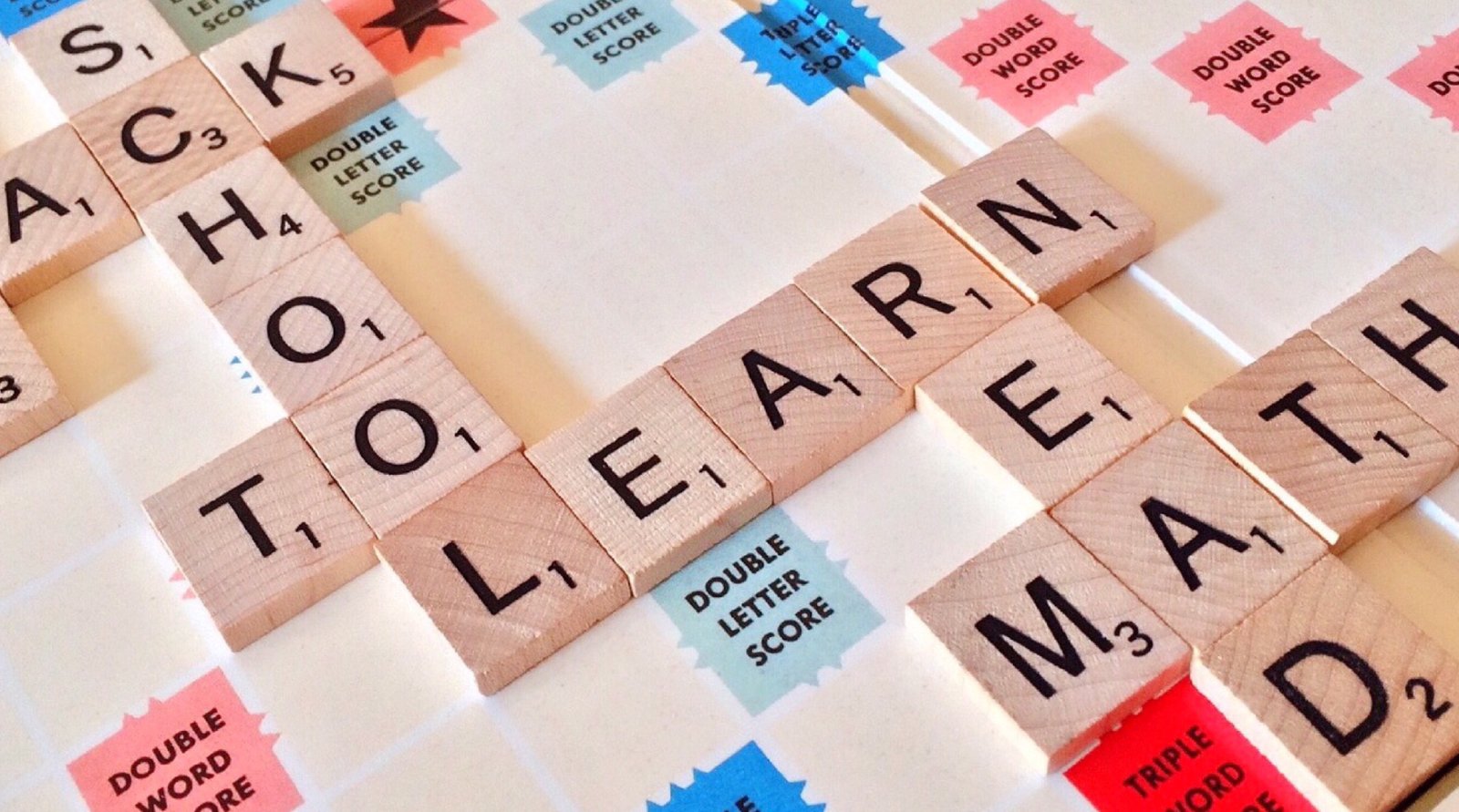
Introduction: As parents, we strive to expose our children to a variety of experiences that promote their well-being, enhance their learning, and instill a love for nature. In this article, we will explore two essential aspects of childhood development: animal feeding and outdoor physical games. By understanding the benefits of animal feeding and incorporating enjoyable outdoor games into their routine, we can foster a strong connection to the natural world and promote a healthy, active lifestyle for our children. Part 1: Animal Feeding Guide 1. Building Empathy and Responsibility: Introducing children to animal feeding helps them develop empathy towards living creatures and teaches them the importance of responsibility. Provide age-appropriate tasks, such as filling bird feeders, cleaning small pet enclosures, or helping with farm animal feeding. Ensure adequate supervision and teach children about appropriate animal handling and safety. 2. Choosing the Right Food: Different animals require different diets, so it's essential to choose the right food for each species. Educate children about the specific needs of the animals they interact with. For bird feeding, expose them to a variety of seeds like sunflower, millet, and nyjer. Teach them about providing fruits, vegetables, and pellets for small pets, and discuss the nutritional requirements of farm animals. 3. Observing Animal Behavior: Animal feeding offers an opportunity to observe animal behavior up close. Encourage children to pay attention to the animals' feeding habits, social interactions, and unique characteristics. Engage them in discussions about how animals adapt to their environments and the importance of conservation and protecting wildlife habitats. 4. Exploring Wildlife Sanctuaries and Petting Zoos: Visiting wildlife sanctuaries and petting zoos provides a hands-on experience with various animals. These establishments often offer educational programs and guided tours, allowing children to learn about feeding routines, animal care, and conservation efforts. Teach them the significance of respecting the animals' boundaries and only feeding them approved food. Part 2: Children's Outdoor and Physical Games 1. Benefits of Outdoor Play: Engaging children in outdoor and physical games provides numerous benefits. It enhances their gross motor skills, improves cardiovascular health, fosters social interaction, boosts creativity, and reduces stress. Encouraging kids to spend time outdoors is crucial for their overall well-being. 2. Classic Outdoor Games: Introduce children to classic outdoor games that have entertained generations. These include hopscotch, tag, hide-and-seek, sack races, and Simon says. Such games promote physical activity, enhance coordination, and offer opportunities for imaginative play. 3. Nature Scavenger Hunts: Organize nature scavenger hunts that combine learning and enjoyment. Create a checklist of items found in nature, such as different types of leaves, flowers, insects, and rocks. Encourage children to observe their surroundings, identify and collect the items on the list, and discuss their findings afterward. 4. Relay Races and Team Games: Organize relay races and team-based games that require teamwork and cooperation. These games not only promote physical fitness but also teach important life skills such as communication, leadership, and problem-solving. Capture the flag, tug-of-war, and obstacle courses are excellent examples. Conclusion: Incorporating animal feeding and outdoor physical games into our children's routines allow them to connect with nature, cultivate empathy, and develop healthy habits. By providing them with opportunities to engage with animals in a responsible way and encouraging active outdoor play, we can help our children grow into compassionate individuals with a deep appreciation for the natural world.
Leave a Comment:
SEARCH
Recent News
- Robot Toys: Vancouver's Top Startups
- Robotic toys have become increasingly popular over the years, captivating both children and adults with their advanced features and interactive capabilities. With Vancouver being a hub for innovation and technology, it comes as no surprise that the city has established itself as a key player in the export and import of robot toys.
- Robot Toys: Exploring Vancouver's Best Companies
- Robots have become increasingly popular in recent years, not just as tools for industry and technology, but also as fun and educational toys for children. Robot toys offer a unique way for kids to engage with technology and learn about robotics and programming in a hands-on manner. In the UK, the government offers various business support programs to help companies that are involved in the production and distribution of robot toys.
- When it comes to exporting and importing robot toys in the UK, there are rules and regulations that need to be followed to ensure a smooth and compliant process. Robot toys have gained popularity in recent years due to advancements in technology, making them more interactive and engaging for children and adults alike. If you are a manufacturer, distributor, or retailer looking to export or import robot toys in the UK, it's important to be aware of the rules that govern this industry.
- The town of Tataouine in Tunisia has recently seen a rise in popularity of robot toys among children. These interactive toys have become a favorite among parents and kids alike for their fun features and entertainment value.
- Robotic toys have been capturing the attention of both children and adults in recent years, with their advanced features and interactive capabilities. As technology continues to evolve, the world of robot toys is also seeing some exciting trends that are shaping the industry. Let's take a closer look at some of the emerging trends in robot toys.
- Robots have long captured the imagination of children and adults alike with their futuristic and interactive capabilities. When it comes to robot toys, there are some top Irish companies that excel in creating innovative and engaging products for all ages.
READ MORE
9 months ago Category : ypad

Robot Toys: Vancouver's Top Startups
Read More →9 months ago Category : ypad

Robotic toys have become increasingly popular over the years, captivating both children and adults with their advanced features and interactive capabilities. With Vancouver being a hub for innovation and technology, it comes as no surprise that the city has established itself as a key player in the export and import of robot toys.
Read More →9 months ago Category : ypad

Robot Toys: Exploring Vancouver's Best Companies
Read More →9 months ago Category : ypad
